


Competitive Analysis for Brands: How to Research Competitors and Win Market Share
Markets rarely stand still. New entrants appear, prices shift, customer expectations evolve, and established brands adjust their positioning in response. For any organization that wants to grow responsibly, competitive analysis is not a one-time presentation or a defensive exercise. It is a disciplined way to understand where your brand stands, where competitors are gaining ground, and which moves are most likely to win market share without weakening long-term trust.
TLDR: Competitive analysis helps brands identify market gaps, understand customer choices, and make better decisions about positioning, pricing, messaging, and product development. The strongest research combines public data, customer insights, digital performance signals, and direct observation of competitor activity. To win market share, brands must translate findings into focused action: sharpen differentiation, remove buying friction, improve customer experience, and monitor the market continuously.
Contents
- 1 Why Competitive Analysis Matters
- 2 Start With a Clear Competitive Set
- 3 Define What You Need to Learn
- 4 Analyze Positioning and Messaging
- 5 Study Products, Services, and Customer Experience
- 6 Evaluate Pricing and Perceived Value
- 7 Use Digital Signals to Measure Market Momentum
- 8 Listen to Customers and Lost Prospects
- 9 Identify Strengths, Weaknesses, Opportunities, and Threats
- 10 Turn Insight Into Market Share Gains
- 11 Make Competitive Analysis an Ongoing Discipline
- 12 Conclusion
Why Competitive Analysis Matters
A serious brand cannot rely on assumptions about its competitors. Leaders may believe they know why customers choose another provider, but the market often tells a more complex story. A competitor may not have the best product, but it may have clearer messaging. Another may not offer the lowest price, but it may create less risk for the buyer. A smaller rival may win because it serves a niche with greater relevance and speed.
Competitive analysis gives brands a structured view of reality. It reveals how competitors position themselves, which audiences they prioritize, what promises they make, how they price, where they advertise, and how customers respond. This information helps a brand avoid wasteful imitation and instead make deliberate decisions based on evidence.
Done well, competitive analysis supports several business priorities:
- Positioning: defining what makes the brand meaningfully different.
- Product strategy: identifying features, services, or improvements customers value.
- Pricing: understanding perceived value and market expectations.
- Marketing: improving messages, channels, and campaign focus.
- Sales enablement: giving teams sharper ways to address objections.
- Customer retention: recognizing why customers might switch and how to prevent it.
Start With a Clear Competitive Set
The first mistake many brands make is studying the wrong competitors. A business should look beyond the companies that appear most similar on paper. Customers define competition by the alternatives they consider, not by industry categories alone.
Begin by dividing competitors into three groups:
- Direct competitors: brands offering similar products or services to the same audience.
- Indirect competitors: alternatives that solve the same problem in a different way.
- Emerging competitors: new brands, technologies, platforms, or business models that could change expectations.
For example, a premium fitness studio does not only compete with other studios. It may also compete with home workout apps, personal trainers, wellness memberships, and even lifestyle brands that influence how people spend discretionary income. A serious analysis should capture the full decision environment.

Define What You Need to Learn
Competitive research becomes more useful when it is tied to specific questions. Without a clear objective, the process can become a collection of screenshots, opinions, and disconnected observations. Before gathering data, decide what decisions the analysis should support.
Useful research questions include:
- Why are customers choosing competitors instead of us?
- Which competitors are growing fastest, and what appears to be driving that growth?
- Where are competitors stronger or weaker in product quality, pricing, service, or distribution?
- What claims and messages are repeated most often in the market?
- Which customer segments are underserved?
- What would make switching easier for a competitor’s customer?
This approach keeps the work practical. The goal is not to know everything about every competitor. The goal is to collect the right evidence to make better strategic decisions.
Analyze Positioning and Messaging
A brand’s positioning is communicated through more than a tagline. It appears in website copy, product pages, sales materials, advertising, social media, packaging, investor presentations, and customer service language. Reviewing these materials helps identify how competitors want to be perceived.
Look for patterns in:
- Value propositions: What primary benefit does the competitor emphasize?
- Audience focus: Who is the message written for?
- Proof points: What data, testimonials, certifications, or results support the claims?
- Tone: Is the brand authoritative, friendly, premium, disruptive, technical, or accessible?
- Risk reduction: Does the competitor mention guarantees, trials, security, compliance, or support?
Pay special attention to repeated phrases. If several competitors all claim to be simple, affordable, or innovative, those words may have become generic in the category. This creates an opportunity to differentiate with more specific, credible language.
Study Products, Services, and Customer Experience
Winning market share often depends on understanding the complete customer experience, not just the core product. A competitor may offer fewer features but perform better in onboarding, support, delivery, returns, training, or account management. These details influence purchase decisions and loyalty.
Brands should examine the competitor journey from first impression to post-purchase support. Sign up for newsletters, attend webinars, request demos where appropriate, review public help centers, study onboarding flows, and observe how easy it is to get answers. If the competitor has a physical location, examine store layout, service standards, and customer interactions ethically and respectfully.
Consider creating a comparison table with categories such as:
- Core features or services
- Ease of purchase
- Onboarding process
- Customer support availability
- Delivery speed or implementation time
- Documentation and education
- Return, cancellation, or renewal policies
The purpose is not to copy everything competitors do. The purpose is to identify which experiences customers have come to expect and where your brand can perform noticeably better.
Evaluate Pricing and Perceived Value
Pricing research should go beyond recording the numbers on a competitor’s website. Market share is influenced by the relationship between price and perceived value. A higher-priced competitor may win if it communicates superior outcomes, reduces risk, or packages services conveniently. A lower-priced competitor may gain volume but struggle with retention or margin.
Review pricing pages, promotional offers, subscription tiers, bundles, free trials, discount patterns, financing options, and contract terms. When possible, compare what is included at each level. A simple price comparison can be misleading if one brand includes support, training, customization, or warranties while another charges separately.
The key question is not, “Who is cheapest?” The stronger question is, “What does the customer believe they are getting for the price?” Brands that understand perceived value can adjust packaging, improve communication, support premium pricing, or create entry-level offers without damaging their positioning.
Use Digital Signals to Measure Market Momentum
Digital channels reveal valuable clues about competitor performance. While outside brands rarely have access to a competitor’s internal metrics, they can still observe patterns that suggest momentum, investment, and customer interest.
Important signals include:
- Search visibility: Which competitors rank for high-intent keywords?
- Paid advertising: What offers, messages, and landing pages are competitors testing?
- Content strategy: Which topics do competitors publish consistently?
- Social engagement: What content receives meaningful interaction, not just views?
- Review volume and sentiment: What do customers praise or criticize repeatedly?
- Website experience: How fast, clear, and conversion-focused are competitor sites?
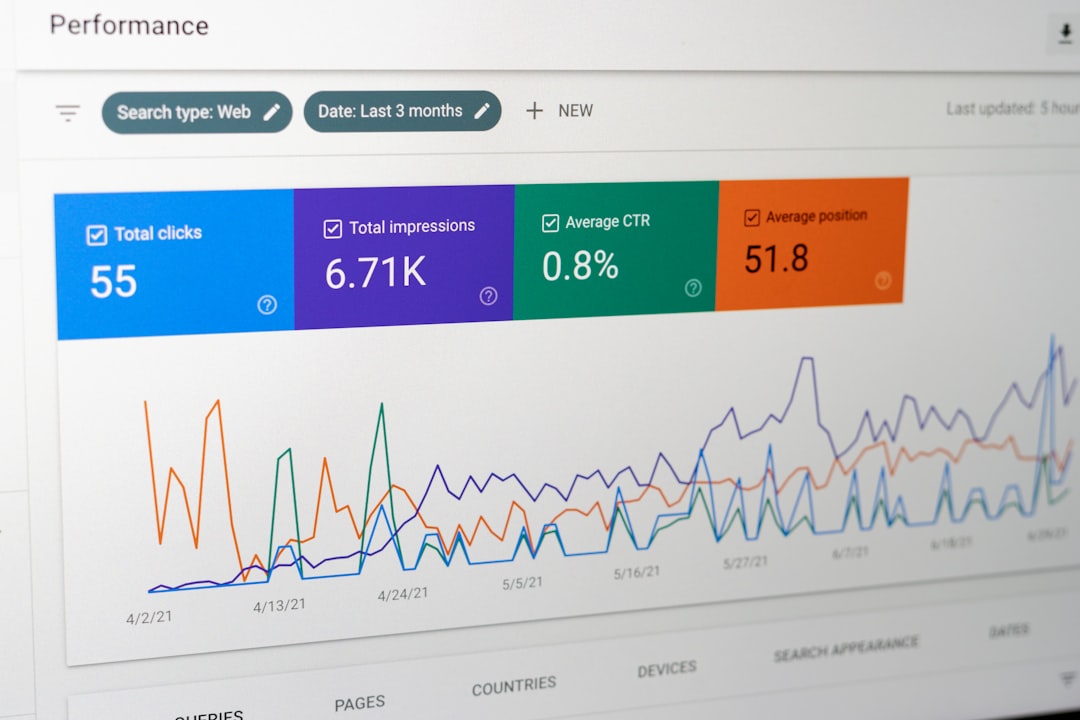
These signals should be interpreted carefully. High social activity does not always mean strong revenue. Heavy advertising may indicate growth, but it may also indicate expensive customer acquisition. The most reliable insights come from combining multiple signals rather than relying on one metric.
Listen to Customers and Lost Prospects
No competitive analysis is complete without customer input. Customers can explain how they compare options, what language influences them, and which frustrations drive switching behavior. This information is often more valuable than external observation alone.
Conduct interviews with current customers, former customers, and prospects who chose a competitor. Ask open-ended questions:
- What problem were you trying to solve?
- Which alternatives did you consider?
- What made one option feel safer or more valuable?
- What almost stopped you from buying?
- What would have made our brand the clearer choice?
Sales and customer support teams are also important sources of insight. They hear objections, competitor comparisons, complaints, and recurring questions every day. A formal process for collecting these observations can turn frontline knowledge into strategic intelligence.
Identify Strengths, Weaknesses, Opportunities, and Threats
After collecting research, organize findings into a practical framework. A traditional SWOT analysis can still be useful if it is specific and evidence-based. Avoid vague statements such as “competitor has strong brand awareness.” Instead, document proof: search visibility, media mentions, distribution partnerships, review volume, or customer interview references.
A strong competitive summary might identify:
- Competitor strengths: clear positioning, faster delivery, stronger reviews, broader distribution.
- Competitor weaknesses: confusing pricing, poor support, limited customization, weak guarantees.
- Market opportunities: underserved segments, unmet service expectations, neglected content topics.
- Market threats: aggressive pricing, new technology, rising customer acquisition costs, changing regulations.
This stage should lead to clear strategic choices. If the analysis does not influence priorities, it has not gone far enough.
Research only creates value when it leads to action. To win market share, a brand must decide where it can credibly outperform competitors and then concentrate resources there. Trying to beat every competitor on every dimension usually leads to diluted strategy.
Common actions include:
- Sharpen differentiation: Replace generic claims with specific benefits, proof, and customer outcomes.
- Improve weak points in the buying journey: Remove friction from pricing pages, demos, checkout, consultations, or onboarding.
- Target underserved segments: Build offers and messages for customer groups competitors overlook.
- Strengthen trust signals: Use case studies, reviews, certifications, transparent policies, and measurable results.
- Adjust packaging: Create tiers, bundles, or service levels that better match customer needs.
- Equip sales teams: Provide comparison sheets, objection responses, and proof points grounded in research.

The best brands avoid reactive copying. If a competitor lowers prices, the right response may not be to discount. It may be to strengthen value communication, improve the offer, or focus on segments that prioritize reliability over cost. Competitive analysis should produce confident decisions, not anxious imitation.
Make Competitive Analysis an Ongoing Discipline
Markets change too quickly for annual research alone. Brands should establish a regular monitoring process, especially in competitive or fast-growing categories. This does not require excessive complexity. A monthly or quarterly review of key competitors, customer feedback, search trends, pricing changes, and campaign activity can provide early warning signs.
Assign ownership so the work does not disappear. Marketing may lead messaging and channel analysis, sales may track objections, product teams may review features, and leadership may evaluate strategic threats. A shared dashboard or brief written report can keep insights visible across the organization.
It is also important to define ethical boundaries. Competitive analysis should rely on lawful, publicly available information, customer research, transparent conversations, and legitimate market data. Trustworthy brands do not misrepresent themselves, misuse confidential information, or pressure employees to obtain intelligence improperly.
Conclusion
Competitive analysis is one of the most practical tools a brand can use to grow with discipline. It helps leaders see the market as customers see it: a set of choices, tradeoffs, risks, and promises. By studying competitors’ positioning, pricing, customer experience, digital activity, and market reputation, brands can identify where they have the strongest chance to win.
The ultimate objective is not to become more like the competition. It is to understand the competitive landscape well enough to make sharper, more credible, and more customer-centered decisions. Brands that do this consistently are better prepared to defend their position, capture new demand, and build market share that lasts.
