


Best Pet Translation Apps for Decoding Cat Communication
Cats communicate constantly, but not in a simple word-for-word language that a phone can translate like English to Spanish. A cat’s vocalizations, posture, facial tension, tail movement, routine changes, and environment all matter. The best pet translation apps for decoding cat communication are therefore not magic dictionaries; they are tools that help owners record patterns, notice changes, and interpret signals more responsibly.
TLDR: No cat translation app can reliably “translate” every meow into human language, but some apps can help you understand patterns in your cat’s behavior and vocalizations. The most useful options are MeowTalk for meow logging, Tably for facial discomfort indicators, and health or activity trackers that provide context. Treat these apps as supportive tools, not substitutes for veterinary advice or careful observation.
Contents
- 1 What Cat Translation Apps Can and Cannot Do
- 2 1. MeowTalk: Best Overall for Meow Pattern Tracking
- 3 2. Tably: Best for Reading Facial Signs of Discomfort
- 4 3. Pet Health and Activity Trackers: Best for Context
- 5 4. Entertainment Cat Translator Apps: Use With Caution
- 6 How to Choose a Trustworthy Cat Communication App
- 7 How to Decode Cat Communication More Accurately
- 8 When an App Is Not Enough
- 9 Final Verdict
What Cat Translation Apps Can and Cannot Do
The phrase cat translator is appealing, but it can be misleading. Current consumer apps cannot prove that a specific meow means “I want chicken” or “open the window” with scientific certainty. Cats do not use a standardized spoken language, and their sounds can vary significantly by individual, breed, age, household, and emotional state.
However, cats are excellent pattern makers. Many develop specific vocalizations for recurring situations: food requests, door access, greeting, play, stress, or discomfort. A translation app may become useful if it helps you record those sounds over time and link them with real-life context.
In a serious approach, the best apps should help answer questions such as:
- When does the cat vocalize most often?
- What was happening immediately before the sound?
- What body language accompanied the meow?
- Is the sound new, frequent, strained, or unusual?
- Could the behavior reflect pain, stress, hunger, boredom, or illness?

1. MeowTalk: Best Overall for Meow Pattern Tracking
MeowTalk is one of the most widely known cat translation apps. It is designed to record cat vocalizations and categorize them into likely meanings, such as hunger, greeting, annoyance, attention seeking, or distress. Its strongest feature is not that it provides perfect translations, but that it encourages users to build a profile for their individual cat.
That individual profile matters. A short chirp from one cat may be a friendly greeting, while a similar sound from another may occur only before feeding. MeowTalk allows owners to label recordings, which may help the app adapt to recurring vocal patterns. Used consistently, it can become a practical behavior journal.
Best for: Owners who want to log and compare their cat’s meows over time.
Strengths:
- Simple interface for recording cat sounds.
- Useful for noticing repeated vocal patterns.
- Encourages owner involvement and interpretation.
- Can help families compare what different cats sound like in different situations.
Limitations:
- Translations should be treated as estimates, not facts.
- Background noise can affect accuracy.
- Some features may require a subscription.
- It focuses mainly on vocalizations, not full body language.
For owners who take the results seriously but cautiously, MeowTalk is probably the most relevant app in this category. It is best used alongside observation: note whether your cat’s ears are forward or flattened, whether the tail is upright or lashing, and whether the meow happens near a food bowl, door, litter tray, or favorite person.
2. Tably: Best for Reading Facial Signs of Discomfort
Tably is not a traditional cat translator, but it deserves attention because it focuses on a medically important form of communication: facial expression. It is based on the idea that cats show pain and discomfort through subtle changes in ear position, eye tightening, muzzle shape, whisker position, and head posture.
This approach is consistent with the broader concept behind the Feline Grimace Scale, a veterinary pain assessment method. While no app should replace a veterinarian, a tool that prompts owners to look carefully at facial tension can be valuable. Cats often hide pain, and owners may miss early warning signs unless they know what to watch for.
Best for: Owners concerned about pain, recovery, aging cats, or subtle discomfort.
Strengths:
- Focuses on visual signs rather than pretending every meow has a direct translation.
- May help owners recognize when a cat looks uncomfortable.
- Encourages more careful observation of face and posture.
Limitations:
- Lighting, photo angle, and cat posture can affect results.
- It is a screening aid, not a diagnosis.
- Any signs of pain, appetite loss, hiding, or behavior change require veterinary attention.
3. Pet Health and Activity Trackers: Best for Context
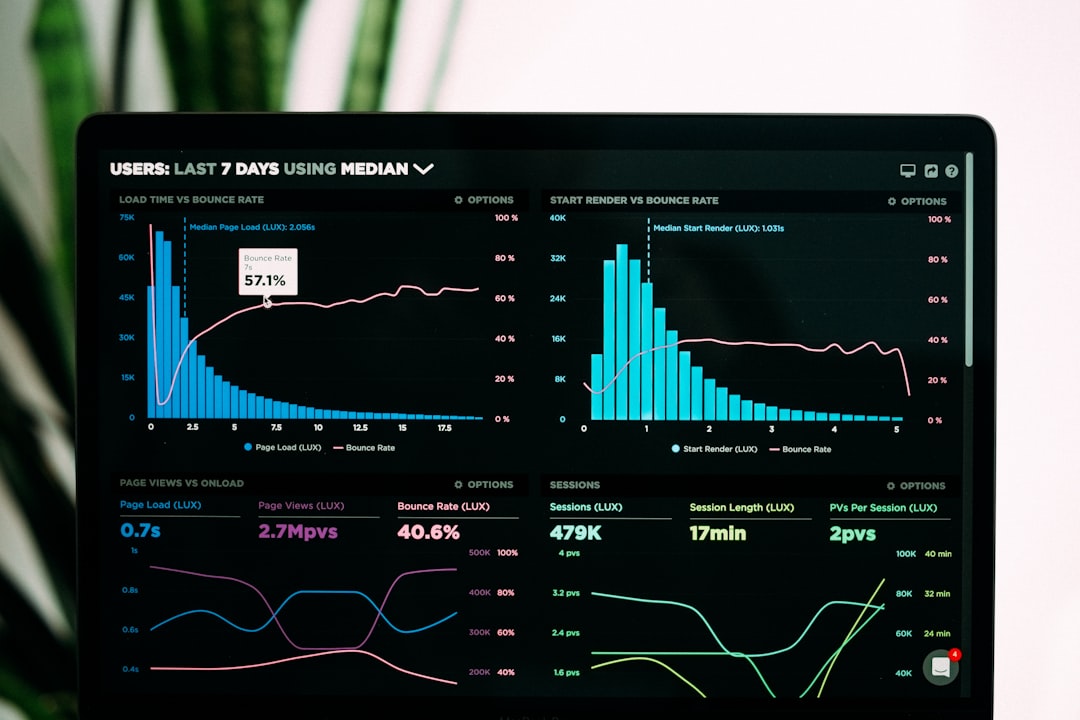
Some of the most reliable “translation” clues do not come from meows at all. They come from changes in routine. A cat that suddenly vocalizes at night, avoids jumping, visits the litter box more often, or eats less may be communicating that something is wrong. Apps connected to health monitors, smart feeders, cameras, litter boxes, or activity trackers can help reveal these changes.
Examples include apps associated with pet cameras, smart litter boxes, GPS or activity collars, and automated feeders. These tools do not translate a meow, but they provide context. If an app shows that your cat’s litter box visits have increased and the cat is also crying near the tray, that information is far more meaningful than a simple “translation” label.
Best for: Owners who want a more complete picture of health, habits, and daily behavior.
Useful features to look for:
- Daily activity summaries.
- Food and water intake tracking.
- Litter box frequency monitoring.
- Video review for vocalization and body language.
- Alerts for unusual patterns.
This category is especially important for senior cats, cats with chronic illness, multi-cat households, and cats recovering from surgery. In many cases, behavioral data is more trustworthy than an isolated sound interpretation.
4. Entertainment Cat Translator Apps: Use With Caution
Many apps marketed as “human to cat translators” or “cat language simulators” are primarily entertainment products. They may play chirps, meows, or tones after you speak into the phone. Some owners find them amusing, and some cats may react with curiosity. However, these apps should not be considered serious communication tools.
A major concern is that random cat sounds can confuse or stress some animals. A nervous cat may interpret unfamiliar vocalizations as the presence of another cat or a threat. If your cat walks away, flattens the ears, hides, growls, or swishes the tail sharply, stop using the app.
Best for: Light entertainment only, and only with cats that remain relaxed.
Not recommended for:
- Fearful or anxious cats.
- Multi-cat homes with territorial tension.
- Situations involving illness, pain, aggression, or litter box problems.
- Owners seeking reliable behavioral interpretation.
How to Choose a Trustworthy Cat Communication App
A serious pet translation app should be transparent about its limitations. Be cautious of any product that guarantees perfect translation or claims to read a cat’s mind. Cats communicate through a combination of signals, and no responsible app can remove the need for human judgment.
When evaluating an app, look for:
- Clear explanations of how results are generated.
- Individual cat profiles rather than one-size-fits-all answers.
- History tracking so you can compare behavior over time.
- Privacy controls for audio, video, and household data.
- Veterinary caution language for pain, distress, and sudden behavior changes.
- Manual notes so you can record context, not just sounds.

How to Decode Cat Communication More Accurately
Apps work best when paired with basic knowledge of feline body language. For example, a high-pitched meow with an upright tail and relaxed ears may be a greeting or attention request. A low growl, crouched posture, wide pupils, and flattened ears suggest fear or defensive arousal. Repeated crying near the litter box may indicate urinary discomfort, which can be urgent, especially in male cats.
Pay attention to these common signals:
- Tail upright: often friendly or confident.
- Tail puffed: fear, surprise, or agitation.
- Slow blinking: relaxed social signaling.
- Flattened ears: fear, irritation, or pain.
- Purring with tension: not always happiness; cats may purr when stressed or unwell.
- Sudden silence: can be as meaningful as sudden vocalizing.
The most reliable interpretation comes from combining sound, body language, environment, and history. If your cat gives the same meow every morning beside the food bowl, the meaning becomes fairly clear. If your cat suddenly starts making a new, harsh sound while hiding under furniture, that should be treated as a possible warning sign.
When an App Is Not Enough
No translation app should delay veterinary care. Contact a veterinarian if your cat shows sudden behavior changes, repeated distress calls, labored breathing, hiding, appetite loss, vomiting, weakness, litter box straining, aggression that is out of character, or signs of pain. Cats are skilled at masking illness, and vocal changes can be one of the few obvious clues.
It is also wise to consult a certified feline behavior professional if communication problems involve aggression, fear, inappropriate elimination, or conflict between cats. In those cases, an app may help document events, but it cannot create a full treatment plan.
Final Verdict
The best pet translation apps for decoding cat communication are the ones that help you become a better observer. MeowTalk is the most relevant choice for meow recording and pattern recognition. Tably is useful for thinking about pain and facial discomfort. Health, camera, feeding, and litter tracking apps add essential context that pure “translator” apps often miss.
Used responsibly, these tools can improve your awareness of your cat’s needs. Used uncritically, they can create false confidence. The safest approach is to treat every app result as a clue, then confirm it through behavior, routine, body language, and, when necessary, veterinary guidance. Your cat may not speak in human sentences, but with careful observation and the right tools, its messages can become much clearer.
