

When Machines Know Your Neighborhood: The Surprising Power of Local in Automated Retail
Walk into a corner store in 2026 and you may not see a cashier. You may not even see price tags. But something else is there. Something invisible. Machines that know your neighborhood. Machines that know what people on your street like to eat, wear, and buy on a rainy Tuesday night. This is the new world of automated retail. And it is surprisingly local.
TLDR: Automated retail is getting smarter by learning about neighborhoods, not just customers. Machines now use local data to decide what to stock, how to price items, and even what music to play. This makes stores feel more personal and useful. The future of retail is not just digital. It is deeply local.
Contents
- 1 The Rise of Smart Stores
- 2 What Does “Knowing Your Neighborhood” Mean?
- 3 Why Local Data Is So Powerful
- 4 Automated Retail in Action
- 5 The Technology Behind the Magic
- 6 Does This Replace Human Managers?
- 7 The Hidden Benefit: Community Feeling
- 8 The Data Question
- 9 Small Businesses Can Play Too
- 10 From Big Data to Small Streets
- 11 What Happens Next?
- 12 The Big Idea
The Rise of Smart Stores
Retail has changed fast. Self-checkout was just the beginning. Now we have:
- Cashierless stores with cameras and sensors.
- Smart shelves that track inventory in real time.
- AI pricing systems that adjust prices by the hour.
- Automated kiosks on sidewalks and in apartment lobbies.
But here is what makes the latest shift exciting. These machines are not just smart. They are local-smart.
They learn from neighborhood data. They watch patterns. They understand context. A store in Brooklyn behaves differently from one in rural Iowa. Even if they belong to the same chain.
What Does “Knowing Your Neighborhood” Mean?
It sounds a little spooky. But it is mostly practical.
Knowing the neighborhood means machines track:
- Popular products in that zip code
- Seasonal buying habits
- Local events and sports games
- Weather patterns
- Commuting rhythms
- Community demographics
For example, if a local high school football team wins on Friday night, smart stores nearby might stock extra snacks and drinks on Saturday morning. Not next week. The next day.
If rain starts suddenly, umbrella prices may drop in one area and rise in another depending on demand and inventory.
This is not random. This is machine learning trained on local signals.
Why Local Data Is So Powerful
Big corporations used to think nationally. Some thought globally. But machines think differently. They think in patterns. And patterns work best when they are small and specific.
A neighborhood of 3,000 people produces incredibly rich data:
- Morning coffee spikes at 7:12 AM.
- Fresh bread sells out every Sunday at 10:03 AM.
- Plant-based snacks are popular near the yoga studio.
- Energy drinks sell best near the bus stop.
When machines see these signals over weeks and months, they optimize shelves automatically.
That means:
- Less waste
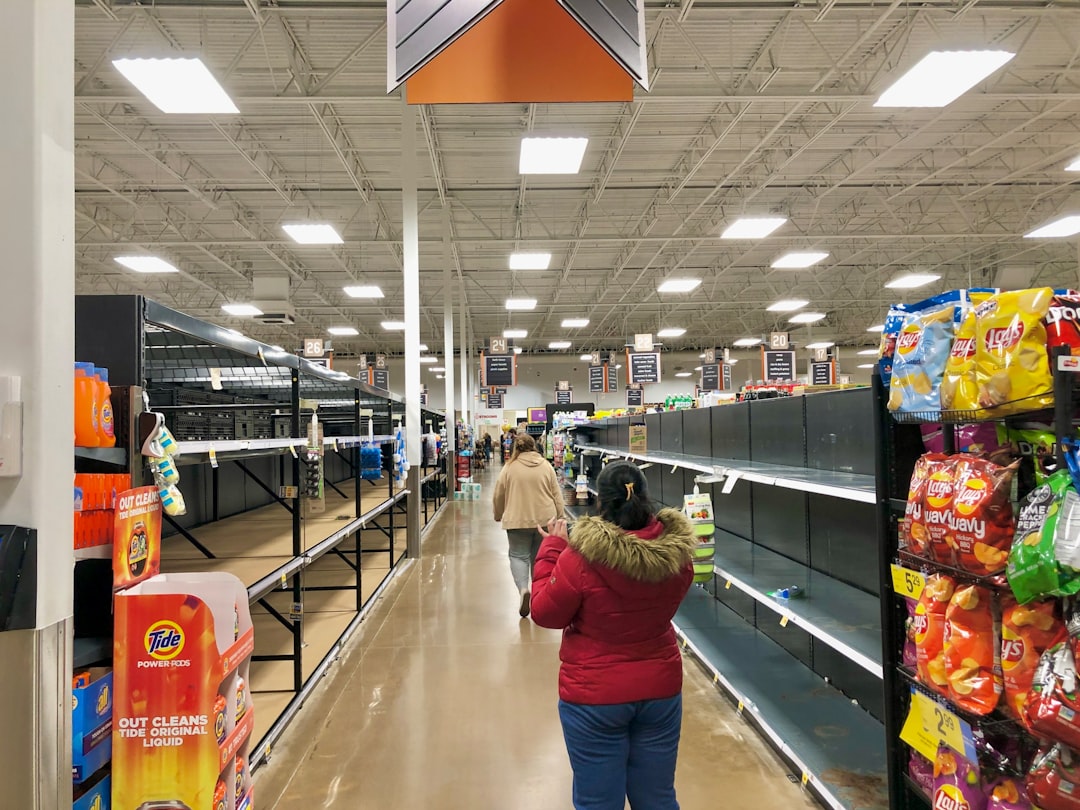
- Fewer empty shelves
- More products people actually want
It turns a generic store into something that feels handpicked.
Automated Retail in Action
Let’s break down how this plays out in real life.
1. Hyper-Local Inventory
Traditional stores ship products based on regional forecasts. Smart automated stores ship based on micro-neighborhood trends.
A downtown office district might stock:
- Quick lunches
- Protein bars
- Cold brew coffee
A family-oriented suburb nearby might prioritize:
- Diapers
- Family-size snacks
- School supplies
Even if the two areas are only five miles apart.
2. Dynamic Pricing That Feels Fair
Dynamic pricing used to sound scary. People imagined surge pricing for milk.
But local machine pricing often works the other way. It reduces waste and saves money.
Example:
- Yogurt nearing its expiration date gets discounted automatically.
- Overstocked bread drops in price before closing time.
- Slow-selling local products get promotional boosts.
The system reacts faster than humans can.
3. Smart Product Discovery
Machines also test new items in specific neighborhoods.
If a vegan snack performs well near one college campus, the algorithm tries it in similar neighborhoods.
If it fails in one area, it pulls back quickly. No national embarrassment. No massive loss.
The Technology Behind the Magic
It is not magic, of course. It is layers of technology working together.
Here are the core components:
- Cameras and sensors: Track movement and product interaction.
- Edge computing: Processes data locally for fast decisions.
- Cloud AI models: Compare one neighborhood to thousands of others.
- Inventory robots: Scan shelves and restock efficiently.
- Predictive analytics software: Forecast demand hour by hour.
Edge computing is especially important. It allows decisions to happen instantly inside the store. No delay. No waiting for a distant server.
This makes automated retail feel smooth and natural.
Does This Replace Human Managers?
Not exactly. It changes their role.
Store managers now:
- Review AI recommendations
- Override unusual pricing
- Handle customer relationships
- Manage local partnerships
The machine handles repetitive tasks. Humans handle nuance.
For example, if there is a neighborhood festival, a human may tell the system to expect unusual demand. The AI adjusts quickly based on that input.
It becomes a partnership.
The Hidden Benefit: Community Feeling
This is the surprising part.
When machines respond to local behavior, stores feel more connected to the community.
People notice:
- “They always have my favorite drink.”
- “They stocked more allergy medicine during pollen season.”
- “The snacks changed during the cultural festival.”
The store starts to feel aware.
It feels less corporate. Even if it is owned by a giant company.
The Data Question
Of course, data raises concerns. People ask:
- Are they tracking me?
- Is my privacy safe?
- Who owns the neighborhood data?
Most automated retail systems use aggregated and anonymized data. That means patterns matter. Not individuals.
The system does not need to know your name. It needs to know that 42% of customers on this block buy oat milk on Mondays.
Still, transparency is key. Companies that explain how data works build more trust.
Small Businesses Can Play Too
This technology is not just for mega chains.
Small retailers can now access affordable AI tools that:
- Track best-selling items
- Predict weekly demand
- Suggest optimal pricing
- Recommend reorder times
Cloud platforms make it cheaper than ever.
A neighborhood bakery can use AI to decide:
- How many croissants to bake on rainy days
- When to discount day-old bread
- Which pastries sell best near local events
That is powerful.
From Big Data to Small Streets
For years, tech companies chased massive global data pools. Billions of users. Trillions of data points.
Now they realize something simple.
Local context beats generic scale.
A national average is often useless. It hides what truly matters. Meanwhile, a single street can have its own rhythm.
Machines are getting better at hearing that rhythm.
What Happens Next?
The future of automated retail will likely include:
- Neighborhood-specific store layouts
- AI-curated local brand sections
- Real-time weather-based promotions
- Community voting on new products
Imagine walking into a store where a digital sign says:
“New spicy noodles added because 63% of local shoppers requested more heat.”
That is not generic personalization. That is collective personalization.
The Big Idea
We often think automation removes the human touch. Cold machines. Empty stores. No personality.
But something unexpected is happening.
By focusing on neighborhoods, machines are helping stores become more relevant. More tuned in. More practical.
They reduce waste. They improve access. They make shopping quicker and often cheaper.
And maybe most important of all, they prove something simple:
The future of retail is not just about technology. It is about place.
The corner store of tomorrow may run on algorithms. But it will still reflect the people who walk through its doors every day.
Machines may power the shelves. But the neighborhood still writes the script.
