

Soldering Iron Guide: Tips for Beginners
Ever wanted to fix electronics, solder wires, or build cool gadgets? Then you’ll need to learn how to use a soldering iron! It may look a bit intimidating at first, but with a little guidance, you’ll be soldering like a pro in no time. This guide is for total beginners, so don’t worry — we’ve got your back.
Contents
- 1 What Is Soldering?
- 2 Essential Tools for Soldering
- 3 Prep Before You Solder
- 4 How to Make Your First Soldering Joint
- 5 Top Tips for Total Beginners
- 6 Things You Should NOT Do
- 7 What Is Flux and Why Is It Important?
- 8 How to Fix a Bad Solder Joint
- 9 Practicing Projects for Beginners
- 10 Safety First!
- 11 Conclusion: You’re Ready to Solder!
TL;DR
Soldering is the process of joining two pieces of metal using a melted filler called solder. To start, you’ll need a basic soldering iron, some solder, and safety tools. Practice on scrap components before working on real projects. Always keep your tip clean, work in a ventilated area, and never rush!
What Is Soldering?
Soldering is like hot metal glue. You use a tool called a soldering iron to heat metal connectors and melt a material called solder. Once it cools down, the parts stay linked together. It’s common in electronics, jewelry, and even plumbing.
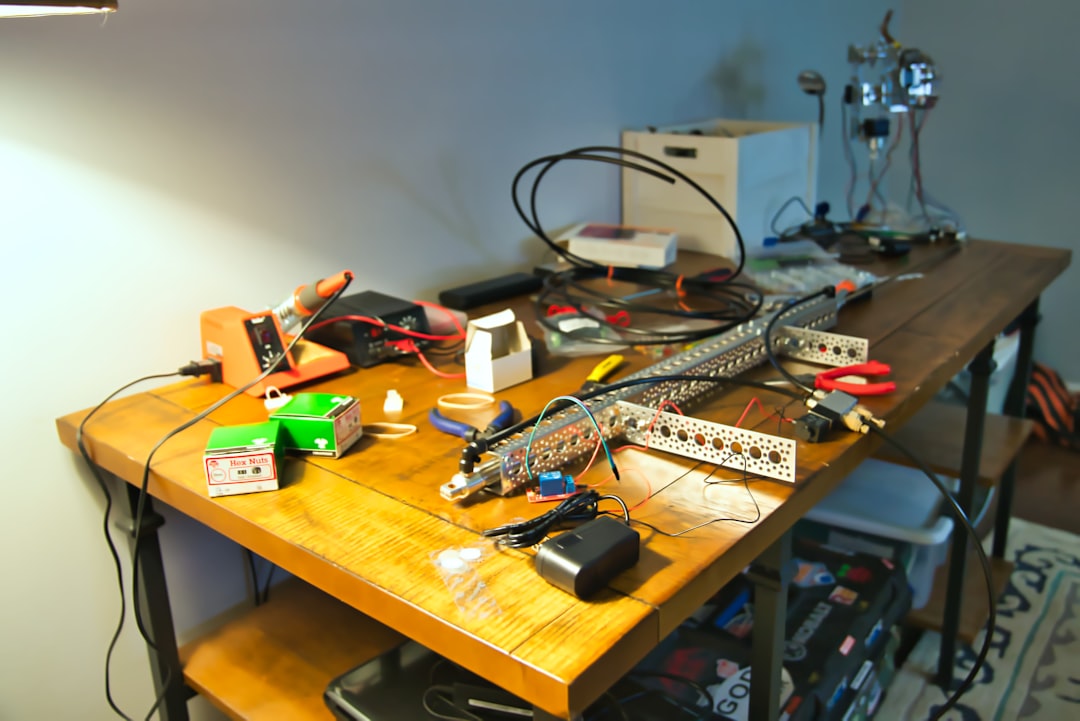
When you’re soldering, you’re basically making permanent connections. That’s why good technique is important — messy or cold joints can make things break or stop working.
Essential Tools for Soldering
You don’t need a fancy setup to begin. Here’s a list of the basic tools you’ll need:
- Soldering Iron: Pick one with adjustable temperature if you can.
- Solder: Use rosin-core solder (a mix of tin and lead or tin and silver).
- Soldering Stand: Keeps the hot iron from burning stuff.
- Sponge or Brass Wool: For cleaning the iron tip.
- Helping Hands: These hold your work so you don’t need three arms!
- Safety Gear: Safety glasses and a fan or open window for ventilation.
Prep Before You Solder
Before you get started, do a few quick checks:
- Make sure your work area is clean and well-lit.
- Plug in your soldering iron and let it heat up.
- Dampen your sponge — not soaking, just wet.
- Place all your tools within arm’s reach.
Once the iron is hot, wipe the tip on the sponge to clean off any gunk. Then melt a little bit of solder onto the tip. This is called tinning, and it helps heat flow better during soldering.
How to Make Your First Soldering Joint
Let’s say you’re attaching a wire to a pin. Here’s a simple step-by-step:
- Place the wire and pin in contact using helping hands.
- Touch the metal parts (not the solder) with the hot iron for about 1-2 seconds.
- Feed a little solder into the joint, not on the iron.
- Remove the solder, then remove the iron.
- Let the joint cool — don’t move the parts for a few seconds.
A good joint looks shiny and forms a volcano shape around the pin. If it looks dull or cracked, you might have a cold joint. That’s when the solder didn’t melt all the way.
Top Tips for Total Beginners
Here are some useful tips to help you avoid common mistakes:
- Practice first: Use old circuit boards or wires to get a feel for it.
- Don’t rush: Take your time, especially when heating parts.
- Keep the tip clean: Wipe it often on the sponge or brass wool.
- Use just enough solder: Too much can cause bridges (which short things out).
- Ventilation matters: Melting solder makes smoke — don’t breathe it in!
- Right temperature: For most work, around 350°C (660°F) is ideal.
Things You Should NOT Do
Even fun hobbies have some “don’ts.” Watch out for these common errors:
- Never touch the metal part of the iron: It’s HOT!
- Don’t tug on wires after soldering: Let them cool first.
- Avoid cheap solder: Some solders have poor flow and make bad joints.
- Skip the flux? Nope — always use solder with flux or add some yourself.
What Is Flux and Why Is It Important?
Flux is a chemical that cleans and prepares metal surfaces for soldering. Without it, your solder might not stick well. Most beginner solder comes with rosin flux inside it, but for tricky jobs, you can add a bit more.
Image not found in postmetaTip: If your solder isn’t sticking, try cleaning and adding more flux.
How to Fix a Bad Solder Joint
Messed up a solder joint? No stress! Here’s what to do:
- Reheat the joint with the iron.
- Add a bit more solder and pull the iron away slowly.
- If it still looks bad, use a desoldering pump or copper braid to remove the solder.
- Clean the area and try again.
Most good soldering is just reheating and fixing things. Even pros make mistakes — so don’t worry!
Practicing Projects for Beginners
Now you know the basics — it’s time to get hands-on! Try some fun starter projects:
- Blinking LED Kit: Simple circuit, satisfying results.
- Wire join practice: Twist and solder wires together for practice.
- Battery holder connection: Solder wires to battery clips and power a simple motor.
The more you practice, the better you’ll get. Start small, stay safe, and have fun!
Safety First!
Soldering is fun, but there are hazards. Always:
- Work in a well-ventilated area.
- Wear safety goggles when soldering.
- Use a stand — never leave the hot iron lying around.
- Wash your hands after soldering.
And most important: Never leave the iron on and unattended!
Conclusion: You’re Ready to Solder!
Hooray! You’ve taken your first steps into the world of soldering. With practice, you’ll be building cool gadgets, fixing electronics, and showing off your skills in no time.
Just remember — patience and practice are your best tools. Stay safe and get creative. Happy soldering!
