


Private Label Manufacturing Trends And Their Impact On Wellness Product Success
The wellness industry is experiencing a rapid transformation as consumers become more conscious of their health, leading to an increased demand for innovative and personalized wellness products. Private label manufacturing, once a strategy limited to price-based competition, has evolved into a powerful tool that brands use to deliver quality, customization, and speed to market. In this article, we explore how private label manufacturing trends are shaping the wellness sector and impacting brand success.
TLDR: Private label manufacturing is revolutionizing the wellness industry by offering customizable, high-quality products at competitive prices. Brands are leveraging new trends like clean formulations, sustainable packaging, and nimble supply chains to outpace competitors. Increased consumer trust in private label goods and technological innovations are further accelerating growth. For wellness brands, aligning with the right manufacturing partner has never been more critical.
Contents
- 1 Rising Consumer Expectations Fuel Innovation
- 2 Key Private Label Manufacturing Trends Shaping the Industry
- 3 Technology Integration in Private Label Wellness Manufacturing
- 4 Strategies Wellness Brands Use with Private Label Partners
- 5 Challenges and How to Overcome Them
- 6 Case Studies: Private Label Success in Wellness
- 7 The Future Outlook: Where Private Label is Headed
- 8 Conclusion
Rising Consumer Expectations Fuel Innovation
Wellness consumers today are more informed and have heightened expectations when it comes to product formulation, efficacy, and sourcing. Gone are the days when private label products were associated solely with affordability. Modern consumers value:
- Transparency: Clear labeling of ingredients and sourcing.
- Sustainability: Packaging, carbon footprint, and ethical sourcing matter significantly to buyers.
- Personalization: Products tailored to individual health goals, allergies, and dietary lifestyles (e.g., keto, organic, vegan).
Private label manufacturers are responding by offering more comprehensive product development services, including R&D, lab testing, and access to proprietary ingredient blends, enabling brands to meet these high consumer standards.
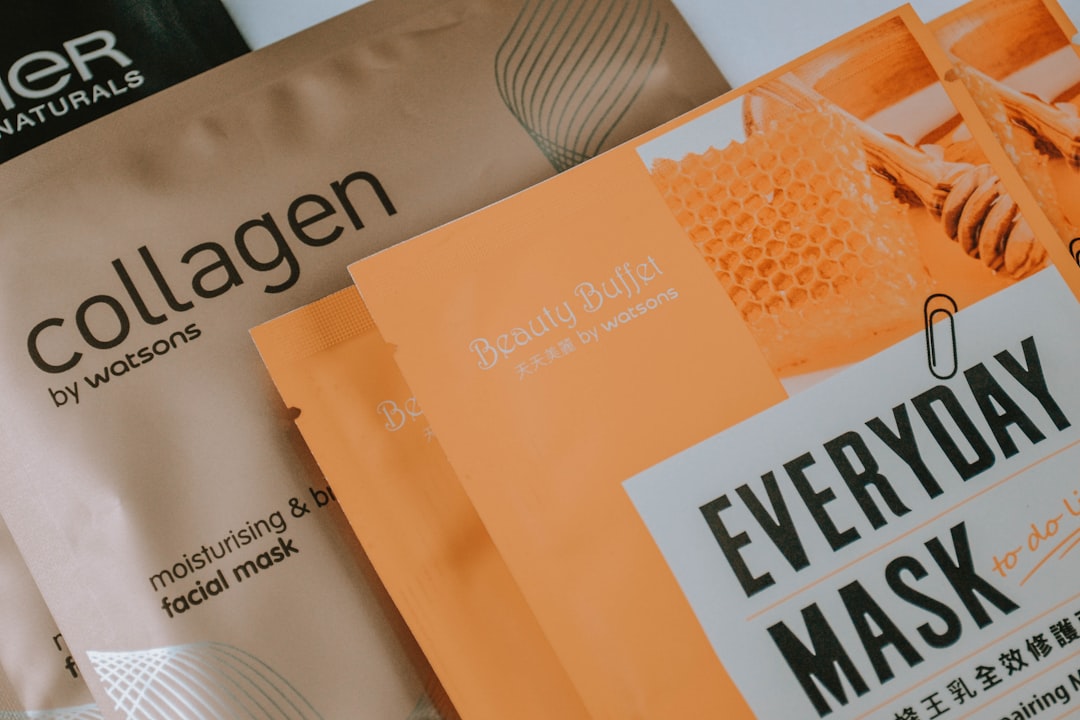
Key Private Label Manufacturing Trends Shaping the Industry
Several pivotal trends are influencing how wellness brands approach product development and distribution. Understanding these trends is crucial for any business looking to succeed in this competitive space.
1. Clean Label and Low-Toxicity Formulations
This trend reflects a shift toward ingredient transparency and minimalism. Consumers are avoiding synthetic additives and demanding non-toxic, food-grade, or plant-derived ingredients. As a result, private label manufacturers are investing in safer, cleaner formulations—often certified by external bodies like USDA Organic, Non-GMO Project, or NSF.
Wellness brands that align their offerings with clean-label standards enjoy enhanced credibility, often leading to stronger customer loyalty and premium pricing potential.
2. Sustainable and Ethical Manufacturing Practices
There is increasing scrutiny over environmental impact in all areas of wellness—from skincare to supplements. Sustainability is no longer a “nice to have”; it’s now a key differentiator for brands. Leading private label manufacturers are providing:
- Eco-friendly packaging options, like biodegradable plastics or refillable containers
- Carbon-offset programs and renewable energy integration
- Fair labor sourcing and ethical supply chain transparency
For brands, partnering with sustainability-conscious manufacturers is not only ethically sound but also commercially advantageous.
3. Speed-to-Market and Agile Production
In today’s fast-paced wellness market, timing can make or break a product launch. Private label manufacturers are investing in more flexible production systems that allow for smaller production runs, faster prototyping, and rapid scaling—with less risk.
This agility empowers emerging brands and established players alike to test new products, explore niche trends, and fill consumer demand spikes without investing in large production inventories.
Technology Integration in Private Label Wellness Manufacturing
Technological advancements are also redefining the private label manufacturing experience:
- AI-Powered Formulation: Artificial intelligence tools are being used to analyze market data, test ingredient interactions, and swiftly develop trend-aligned products.
- Supply Chain Visibility: Blockchain and IoT devices allow full traceability of ingredients and components—essential for building trust with wellness consumers.
- Automation and Robotics: Automation accelerates production while ensuring consistent quality and reducing human error.

These innovations not only improve efficiency and reduce costs but also help brands maintain a competitive edge by delivering precision, consistency, and innovation at scale.
Strategies Wellness Brands Use with Private Label Partners
To maximize their success, wellness brands are leveraging private label partners in several strategic ways:
Expanding Product Lines Quickly
Rather than developing an in-house facility, brands can use private labels to test new categories like adaptogenic teas, collagen supplements, or CBD-infused skincare. This approach limits risk while capturing market share ahead of competitors.
Entering Niche Wellness Markets
Niches like hormonal wellness, gut health, or mental clarity are gaining traction. Private label manufacturers often have specialized formulations ready, allowing brands to launch in these niches swiftly and credibly.
Pivoting Based on Market Trends
With real-time data and responsive production, brands can adapt marketing and product positioning—e.g., pivoting a general energy booster into a “work-from-home focus blend”—without restarting the formulation process. This kind of agile branding is only possible with a versatile manufacturing partner.
Challenges and How to Overcome Them
Despite its many advantages, private label production comes with challenges that must be managed:
- Quality Assurance: Not all manufacturers offer the same levels of testing and compliance. Brands must vet facilities for certifications, regulatory knowledge, and testing practices.
- Brand Differentiation: It’s easy to fall into the trap of “me-too” products. Brands must ensure they request proprietary blends or invest in customized packaging and branding efforts.
- Regulatory Compliance: From FDA to FTC guidelines, the wellness sector is tightly regulated. Working with a manufacturer knowledgeable in regulatory issues ensures smoother go-to-market execution.
By choosing reputable manufacturers with experience in wellness markets and maintaining close communication, brands can sidestep most pitfalls.
Case Studies: Private Label Success in Wellness
1. Thrive Market: This members-only e-commerce platform has launched dozens of its own private label products, from vitamins to protein powders. Their commitment to clean ingredients and sustainable packaging has helped private label items account for over 20% of revenue.
2. Equate (Walmart’s Private Label): By offering equivalent-quality wellness products at lower price points, Equate competes directly with national brands, earning consumer trust without sacrificing margins.
3. Care/of: Although DTC, Care/of partners with private label manufacturers to provide customized supplement packs. With their tech-driven quiz interface, they harness personalization and private labeling for a unique value proposition.
The Future Outlook: Where Private Label is Headed
As private label tension continues to rise, the next evolution is expected to include:
- Hyper-personalization: DNA-based or microbiome-based wellness offerings will rely heavily on flexible, small-batch manufacturing.
- Smart Packaging: QR-enabled packages giving users deeper access into product origin, benefits, and user guides.
- Global Expansion: More brands will tap into international manufacturing hubs to scale at lower costs without sacrificing quality.
In parallel, consumer trust in private label products will likely continue rising, provided brands maintain transparency and quality.
Conclusion
Private label manufacturing is no longer limited to generic products and cost-cutting strategies. In today’s wellness market, it’s a sophisticated, flexible, and highly strategic pathway for launching innovative wellness products that meet evolving consumer expectations. Brands that leverage current trends—like clean labels, sustainable practices, and tech-driven efficiency—will not only survive but thrive in this increasingly competitive space. Above all, selecting the right manufacturing partner remains the foundation of long-term success in the private label wellness arena.
