

Best AI Devices That Will Transform Your Home and Work
Artificial intelligence is no longer something that lives only in research labs or sci‑fi movies. It has quietly entered our homes, offices, and daily routines, reshaping how we work, communicate, and relax. From devices that manage our schedules to systems that optimize energy use and security, AI‑powered hardware is becoming the backbone of modern living.
TLDR: AI devices are rapidly transforming both home and workplace experiences by making environments smarter, safer, and more efficient. From voice assistants and smart displays to workplace AI hubs and health‑focused wearables, these tools save time and reduce cognitive load. The best AI devices blend seamlessly into daily life, learning habits and adapting in real time. Investing in the right AI technology today can dramatically improve productivity and comfort tomorrow.
What makes today’s AI devices truly exciting is not just their raw processing power, but their ability to learn and adapt. Instead of forcing people to change how they live or work, these tools fit naturally into existing routines. Below, we explore the best AI devices that are already transforming homes and workplaces, and why their impact will only grow stronger in the coming years.
Contents
- 1 Smart AI Assistants: The Brain of the Modern Home
- 2 AI‑Powered Smart Displays and Hubs
- 3 AI Security Systems: Smarter Protection for Home and Office
- 4 AI‑Enhanced Work Devices: Boosting Productivity
- 5 AI Robots and Automation Devices
- 6 AI Devices for Health and Well‑Being
- 7 AI‑Driven Energy and Environment Controllers
- 8 Why AI Devices Will Continue to Dominate the Future
Smart AI Assistants: The Brain of the Modern Home
Smart AI assistants have become the central nervous system of many households. Devices like Amazon Echo, Google Nest Hub, and Apple HomePod use advanced natural language processing to respond to voice commands, automate tasks, and integrate with hundreds of other smart devices.
These assistants can manage calendars, set reminders, play music, control lighting, and even provide real‑time answers to complex questions. In a work‑from‑home context, they act as hands‑free productivity helpers, setting timers for meetings or summarizing the day’s agenda.
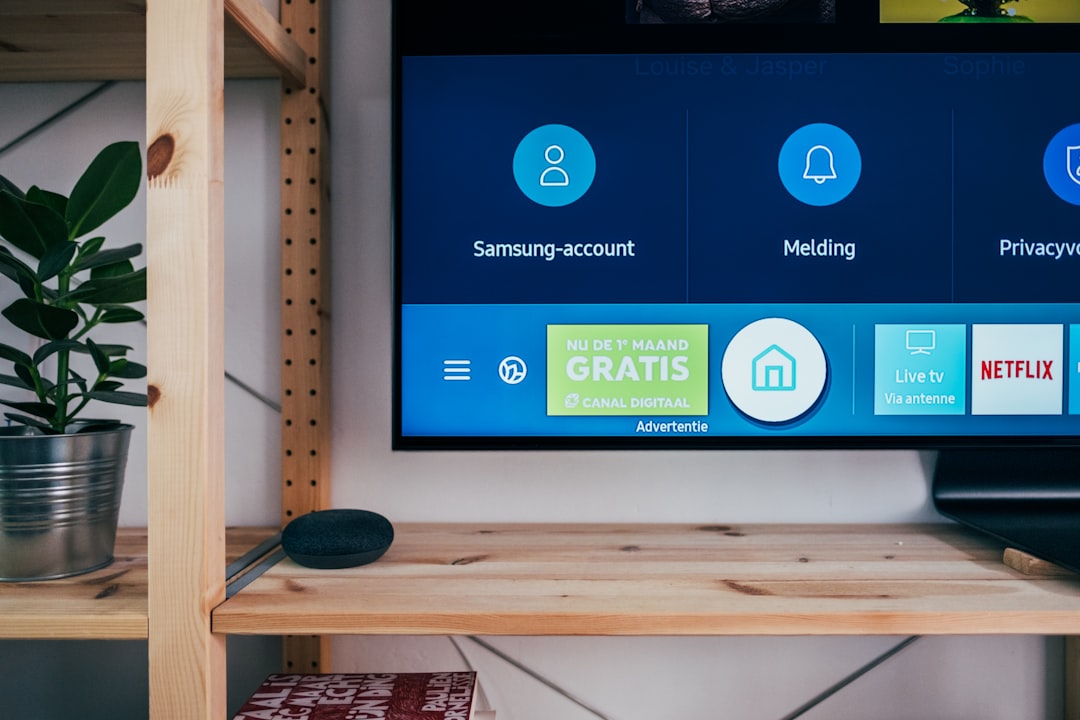
Over time, AI assistants learn individual preferences, such as favorite music genres, daily routines, or frequently used commands. This personalization transforms them from simple gadgets into proactive companions that anticipate needs instead of merely reacting.
AI‑Powered Smart Displays and Hubs
While voice assistants are powerful, smart displays add a visual layer that significantly expands functionality. Devices such as the Google Nest Hub Max or Amazon Echo Show combine AI voice features with touchscreens and cameras.
In the home, these displays act as centralized hubs for:
- Controlling smart lights, thermostats, and appliances
- Displaying real‑time security camera feeds
- Managing family calendars and reminders
- Following guided recipes or fitness routines
In professional environments, smart displays shine in remote collaboration. AI‑powered cameras can automatically frame speakers during video calls, reduce background noise, and improve lighting. This creates more engaging, professional meetings without expensive studio equipment.
AI Security Systems: Smarter Protection for Home and Office
Traditional security systems rely on motion sensors and alarms, but AI‑driven security takes protection to a new level. Modern systems use computer vision and machine learning to distinguish between people, pets, vehicles, and potential threats.

Devices such as AI security cameras and smart doorbells can recognize familiar faces, detect suspicious behavior, and send instant alerts. In office settings, these systems enhance access control by integrating facial recognition and behavioral analysis.
The real transformation lies in predictive intelligence. Instead of simply reacting to events, AI security systems analyze patterns over time to identify anomalies. This reduces false alarms and ensures that attention is focused only on genuine risks.
AI‑Enhanced Work Devices: Boosting Productivity
The workplace is undergoing a quiet revolution powered by AI‑enabled hardware. Tools like AI‑driven webcams, noise‑canceling headsets, and intelligent conference systems are redefining how work gets done.
For example, AI webcams can track eye contact, auto‑adjust framing, and optimize lighting. Smart headsets use machine learning to filter out background noise, making remote work more focused and less stressful.
More advanced AI work devices include:
- Smart meeting room systems that transcribe conversations in real time
- Devices that analyze productivity patterns and suggest workflow improvements
- AI‑powered document scanners that automatically categorize and summarize content
These tools reduce administrative overhead and free professionals to focus on creative and strategic work.
AI Robots and Automation Devices
Robotic AI devices are no longer limited to factories. Home robots such as AI‑powered vacuum cleaners and lawn mowers already handle repetitive chores with surprising intelligence.
Modern cleaning robots map entire homes, learn high‑traffic areas, and adjust cleaning schedules accordingly. Some models integrate with smart assistants, allowing users to start or stop tasks with simple voice commands.
In workplaces, AI robots assist with inventory management, delivery tasks, and even customer interaction. Their ability to work continuously without fatigue significantly improves efficiency in logistics, healthcare, and retail environments.
AI Devices for Health and Well‑Being
Health‑focused AI devices are making a meaningful impact on both personal wellness and professional performance. Wearables like smartwatches and fitness bands now incorporate machine learning to analyze heart rate, sleep patterns, stress levels, and activity trends.
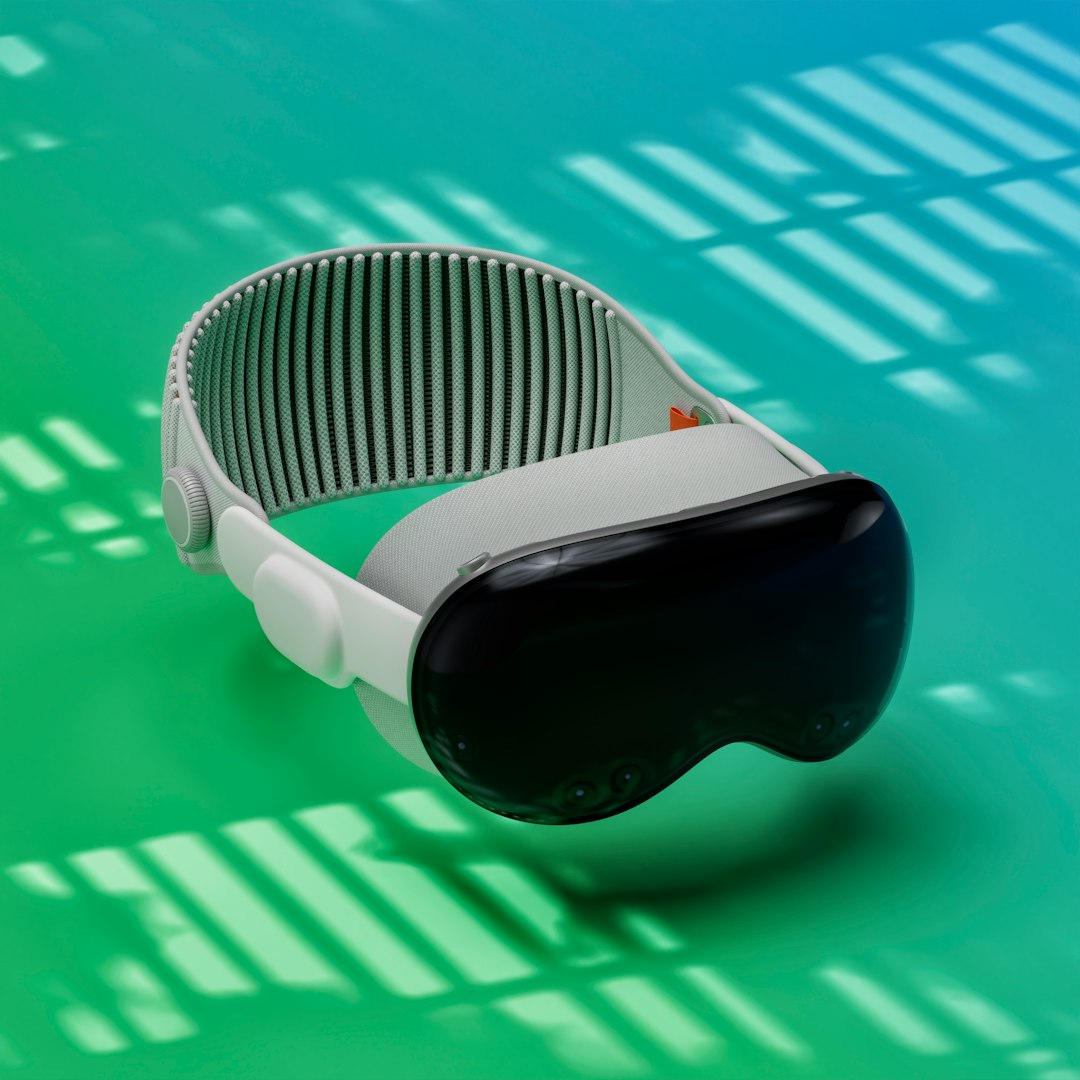
These devices don’t just collect data; they interpret it. AI algorithms provide personalized recommendations, such as when to rest, exercise, or adjust daily habits. In work settings, this information can help reduce burnout and improve long‑term productivity.
More advanced AI health devices include posture‑correcting systems, smart air quality monitors, and sleep optimization tools. Together, they create healthier living and working environments by addressing problems before they escalate.
AI‑Driven Energy and Environment Controllers
Energy efficiency is another area where AI devices are making a major difference. Smart thermostats, lighting systems, and power controllers use AI to learn usage patterns and optimize energy consumption.
In homes, AI thermostats adjust temperatures based on occupancy, weather forecasts, and personal comfort preferences. Offices benefit from intelligent lighting systems that adapt brightness and color temperature according to time of day and natural light conditions.
The result is not only lower energy bills but also a more comfortable and sustainable environment. Over time, these systems contribute to reduced carbon footprints while maintaining optimal living and working conditions.
Why AI Devices Will Continue to Dominate the Future
The rapid adoption of AI devices is driven by their ability to deliver real value without complexity. As machine learning models improve and hardware becomes more affordable, AI‑powered tools will become standard rather than optional.
Future AI devices will be more context‑aware, seamlessly integrating data across platforms while respecting privacy and security. Homes and offices will evolve into responsive environments that support human goals instead of demanding attention.
Ultimately, the best AI devices are not those that show off technological prowess, but those that quietly make life easier, safer, and more productive. As these tools continue to mature, they will shape a world where technology genuinely works with us, not just for us.
