

Web Design for Outdoor Brand: How to Showcase Adventure and Lifestyle Products
For an outdoor brand, a website is more than a digital storefront. It is a trust signal, a product guide, a brand journal, and often the first serious point of contact between a customer and the promise of adventure. Whether the brand sells technical gear, apparel, footwear, camping equipment, hydration products, or lifestyle accessories, the site must communicate two things clearly: the products are reliable and the brand understands the outdoor life.
TLDR: Effective web design for an outdoor brand combines strong visual storytelling, clear product information, authentic lifestyle imagery, and a reliable shopping experience. The website should make visitors feel the adventure while also helping them evaluate materials, performance, sizing, durability, and use cases. A serious outdoor brand site balances emotion with practical detail, using clean navigation, trustworthy content, and product pages built for confident decision-making.
Contents
- 1 Building a Website Around Trust and Experience
- 2 Using Visual Storytelling Without Sacrificing Clarity
- 3 Designing Product Pages for Serious Buyers
- 4 Balancing Lifestyle Appeal With Technical Credibility
- 5 Navigation That Matches Outdoor Buying Behavior
- 6 Creating Content That Builds Authority
- 7 Mobile Performance and Speed Are Essential
- 8 Using Sustainability and Ethics Responsibly
- 9 Checkout, Returns, and After-Purchase Confidence
- 10 Conclusion: Design for the Journey, Not Just the Sale
Building a Website Around Trust and Experience
Outdoor customers tend to be careful buyers. They are not only purchasing an item; they are investing in something that may need to perform in demanding conditions. A jacket might need to resist heavy rain, a backpack may be expected to carry weight across difficult terrain, and a pair of boots must support long hours of movement. Because of this, web design for outdoor brands should never rely on attractive imagery alone.
The best sites combine visual inspiration with practical assurance. Visitors should quickly understand what the brand stands for, who the products are designed for, and why the products can be trusted. This begins with a strong homepage structure, continues through category pages, and becomes most important on individual product pages.
A trustworthy outdoor website should answer questions such as:
- What environments or activities is this product made for?
- What materials, technologies, or construction methods are used?
- How should the customer choose the right size or model?
- What makes this product suitable for real outdoor use?
- What warranty, repair, return, or sustainability policies support the purchase?
When these answers are easy to find, the website feels professional and credible. When they are buried or missing, even a visually impressive site can lose sales.
Using Visual Storytelling Without Sacrificing Clarity
Outdoor brands naturally lend themselves to powerful imagery. Mountains, forests, trails, rivers, deserts, coastlines, campsites, and changing weather all provide strong visual material. However, imagery must be used with discipline. A website should not become a gallery that distracts from navigation, product discovery, or purchasing decisions.
Hero sections are especially important. The first image or video a visitor sees should establish the brand environment and product context. A hiking apparel brand might show a person moving through alpine terrain. A surf or coastal lifestyle brand may use shoreline imagery. A camping gear brand might show a well-organized campsite at dusk. The image should feel authentic rather than staged, and it should connect directly to what the brand sells.

To maintain clarity, pair strong imagery with concise messaging. A headline should explain the product focus or brand promise in plain language. Supporting text should be short and informative. A call to action should be visible, specific, and relevant, such as Shop waterproof shells, Explore camp systems, or Find your trail pack.
Visual storytelling works best when it follows a clear hierarchy:
- Set the scene: Show the environment and lifestyle the brand supports.
- Show the product in use: Demonstrate real-world function and scale.
- Provide product detail: Move from inspiration to facts, specifications, and options.
- Support the purchase: Include reviews, fit guides, guarantees, and delivery information.
Designing Product Pages for Serious Buyers
Product pages are where trust is either confirmed or weakened. Outdoor customers often compare multiple brands before buying, especially for higher-priced or technical items. A product page should therefore be structured to help the customer make a confident decision without needing to search elsewhere.
High-quality product photography is essential. Include studio images on a neutral background, close-ups of materials and construction, and lifestyle images showing the product in real settings. For apparel and footwear, show the product on different body types when possible. For gear, show scale, interior features, packed dimensions, and key functional details.
A strong outdoor product page should include:
- Clear product title: Avoid vague names that do not explain the product category.
- Short benefit summary: State the primary use and advantage in one or two sentences.
- Technical details: Include weight, dimensions, materials, waterproof ratings, insulation type, capacity, or relevant specifications.
- Use case guidance: Explain whether it is best for hiking, travel, climbing, commuting, camping, fishing, skiing, or everyday wear.
- Fit and sizing support: Provide size charts, model measurements, fit notes, and adjustment details.
- Care instructions: Outdoor products often require proper maintenance, especially waterproof fabrics, leather, down, or technical materials.
- Customer reviews: Encourage reviews that mention conditions, body measurements, trip types, and long-term use.
Serious buyers appreciate precision. Instead of saying a jacket is “built for bad weather,” specify whether it has sealed seams, an adjustable hood, a durable water repellent finish, ventilation zippers, or a certain waterproof rating. Instead of saying a backpack is “comfortable,” explain the frame structure, hip belt design, torso adjustment, ventilation system, and load range.
Balancing Lifestyle Appeal With Technical Credibility
Outdoor brands often sit between two markets: performance and lifestyle. Some customers need products for demanding expeditions, while others want durable, attractive items for travel, commuting, weekend walks, or casual wear. A good website can serve both audiences without confusing either one.
The key is to segment content carefully. Product categories, filters, and editorial content should help users find the right level of performance. For example, a jacket category could include filters such as rainwear, insulated, wind resistant, lightweight, and everyday use. A footwear section could separate trail running, hiking boots, approach shoes, and casual outdoor footwear.
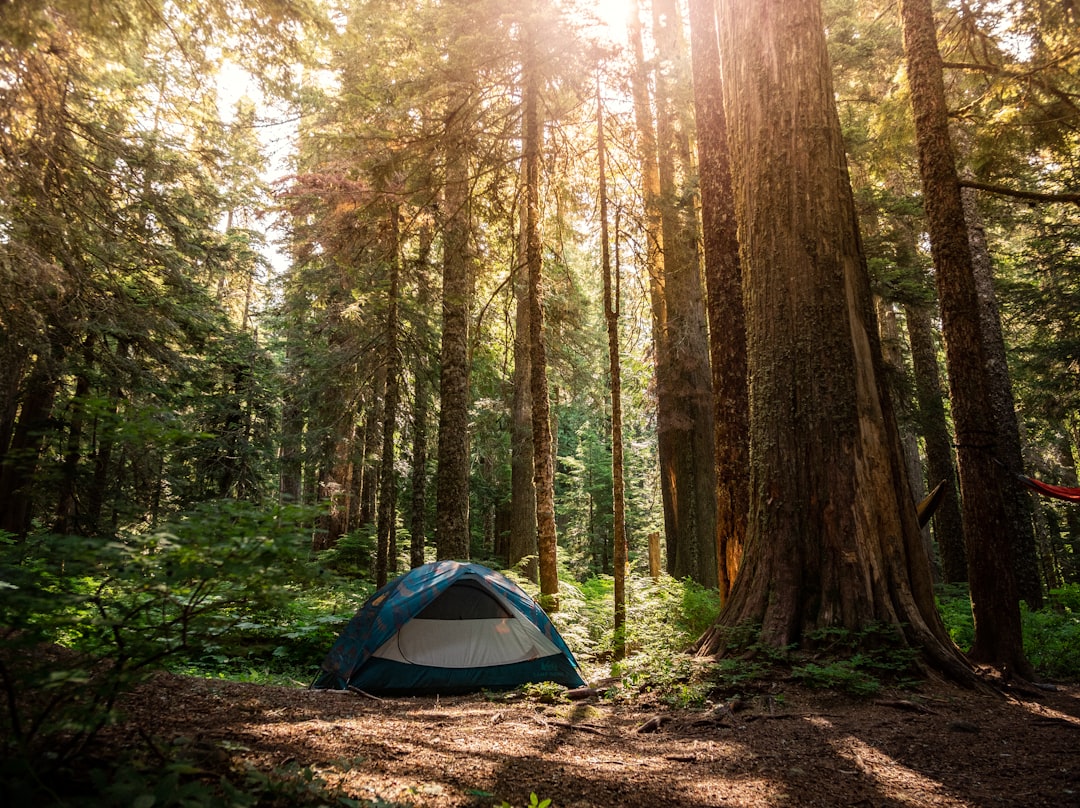
Lifestyle content should not feel artificial. Customers are increasingly sensitive to overproduced campaigns that do not reflect real outdoor experiences. Use imagery that shows believable movement, weather, terrain, and product wear. Mud, rain, dust, wind, and changing light can make visuals more credible when handled professionally.
At the same time, technical credibility should be easy to access but not overwhelming. Use expandable sections, comparison charts, icons, and concise explanations. For example, a product page can include a simple icon row showing waterproof, breathable, packable, and recycled materials, followed by deeper technical descriptions further down the page.
Navigation should reflect how outdoor customers think. Many users browse by activity, while others browse by product type. A strong site often supports both paths. The main menu might include product categories such as Jackets, Packs, Footwear, and Camp, while also offering activity-based sections such as Hiking, Climbing, Travel, Snow, or Everyday Outdoor.
Filters are especially important for outdoor ecommerce. Customers may need to narrow products by size, color, gender, weather protection, weight, capacity, insulation, activity, price, or sustainability features. Poor filtering creates frustration and makes the brand feel less professional.
For outdoor brands with many product variants, comparison tools can be valuable. A customer choosing between three backpacks, for example, may want to compare capacity, weight, frame type, laptop compatibility, hydration compatibility, and trip length. A clear comparison table can reduce hesitation and lower the risk of returns.
Creating Content That Builds Authority
Outdoor brands benefit from educational content because customers often need guidance. Articles, buying guides, care guides, and trip-planning resources help establish expertise. This type of content should be practical, accurate, and connected to the product catalog without becoming overly promotional.
Effective content topics may include:
- How to choose a hiking backpack for different trip lengths
- What waterproof ratings mean in real conditions
- How to layer clothing for cold-weather activity
- How to clean and maintain technical outerwear
- What to pack for a weekend camping trip
- How to choose footwear for rocky, muddy, or mixed terrain
This content supports search visibility, but more importantly, it shows that the brand understands its customers’ needs. A serious tone, accurate information, and clear recommendations help the website become a reliable resource rather than just a sales channel.
Brand stories can also be powerful when they are specific. Instead of broad claims about loving adventure, explain testing processes, material choices, design principles, repair programs, athlete partnerships, or environmental commitments. Specifics create trust. General statements often do not.
Mobile Performance and Speed Are Essential
Many outdoor customers browse on mobile devices, sometimes while traveling, planning trips, or shopping from social media. A mobile site must be fast, stable, and easy to use. Large imagery is important, but it must be optimized so that pages do not load slowly. Slow performance can damage both conversions and brand perception.
Mobile product pages should prioritize the most important information first: product images, price, colors, sizes, primary benefits, shipping and returns, and the add-to-cart button. Technical details can appear further down the page in well-organized sections. Buttons should be large enough to tap easily, and menus should not hide essential categories.

Speed also affects trust. A slow or unstable site can make customers question whether the brand is professionally managed. Outdoor customers may tolerate rugged conditions on a trail, but they do not tolerate friction during checkout.
Using Sustainability and Ethics Responsibly
Sustainability is highly relevant in the outdoor industry, but it must be presented carefully. Customers are looking for credible information, not vague environmental language. If the brand uses recycled fabrics, lower-impact dyes, repair services, responsible down, certified wool, plastic-free packaging, or carbon reduction initiatives, the website should explain these points clearly.
Avoid overstating claims. Serious customers may look for certifications, sourcing information, durability policies, and repair options. A dedicated sustainability page can help, but sustainability details should also appear directly on product pages where they influence buying decisions.
Durability is itself a sustainability argument when communicated honestly. A product that lasts longer, can be repaired, and performs reliably over time may be more responsible than a cheaper item that is quickly replaced. Web design should make these values visible through warranty information, care instructions, repair guidance, and transparent material descriptions.
Checkout, Returns, and After-Purchase Confidence
Even a beautiful website can lose customers if checkout feels uncertain. Outdoor products often involve sizing, performance expectations, and higher price points, so policies must be clear. Show shipping costs, delivery timelines, return rules, warranty coverage, and customer service options before the final checkout step.
Helpful trust elements include:
- Visible return policy: Especially important for apparel and footwear sizing.
- Warranty details: Explain what is covered and for how long.
- Secure payment indicators: Keep payment pages clean and professional.
- Customer support access: Provide email, chat, phone, or help center information.
- Order tracking: Make post-purchase communication clear and reliable.
After-purchase content can also strengthen loyalty. Send care instructions, packing tips, setup videos, or fitting guidance depending on the product. This reduces returns, improves customer satisfaction, and increases the chance of repeat purchases.
Conclusion: Design for the Journey, Not Just the Sale
Web design for an outdoor brand should reflect the seriousness of the products and the aspirations of the people who buy them. The site must inspire visitors with adventure and lifestyle imagery, but it must also provide the practical details required for confident purchasing. Customers should feel that the brand respects both their ambitions and their need for reliable information.
A strong outdoor website is clear, fast, authentic, and useful. It presents products in real environments, explains performance without exaggeration, supports buyers with detailed guidance, and makes policies easy to understand. When these elements work together, the website becomes more than a shop. It becomes a dependable extension of the brand’s promise: to help people move through the world with confidence, preparation, and purpose.
