

Crypto Tax Software That Automates Calculations With High Accuracy
Crypto taxes can feel scary. Numbers fly everywhere. Wallets. Exchanges. DeFi trades. NFTs. Staking rewards. It is easy to feel lost. The good news? Crypto tax software can automate almost all of it. And it can do it with impressive accuracy.
TLDR: Crypto tax software connects to your wallets and exchanges, pulls in your transactions, and calculates gains, losses, and income automatically. It reduces errors and saves hours of manual work. Advanced tools handle complex activities like DeFi, staking, and NFTs with high precision. The result is cleaner reports, less stress, and better tax compliance.
Let’s break it down in a simple way.
Contents
- 1 Why Crypto Taxes Are So Complicated
- 2 How Crypto Tax Software Works
- 3 What “High Accuracy” Really Means
- 4 The Power of Automation
- 5 Key Features to Look For
- 6 Benefits Beyond Tax Filing
- 7 Who Should Use Crypto Tax Software?
- 8 Common Mistakes Without Automation
- 9 How to Get Started
- 10 Are These Tools Perfect?
- 11 The Future of Crypto Tax Automation
- 12 Final Thoughts
Why Crypto Taxes Are So Complicated
Crypto is not like a regular savings account. Every trade can trigger a taxable event. Even swapping one coin for another can create a gain or loss.
Here is what makes crypto tricky:
- Buying and selling across multiple exchanges
- Using multiple wallets
- Sending coins between your own accounts
- Earning staking rewards
- Providing liquidity in DeFi
- Minting or trading NFTs
- Receiving airdrops
Each action can have tax consequences. And each one must be tracked with the correct price at the correct time.
Doing this by hand in a spreadsheet? That is brave. And risky.
How Crypto Tax Software Works
Crypto tax software acts like a super-smart calculator. But it also acts like a detective.
First, it gathers your data.
You connect:
- Exchanges via API keys
- Wallets via public addresses
- CSV files with transaction history
The software imports everything. Automatically.
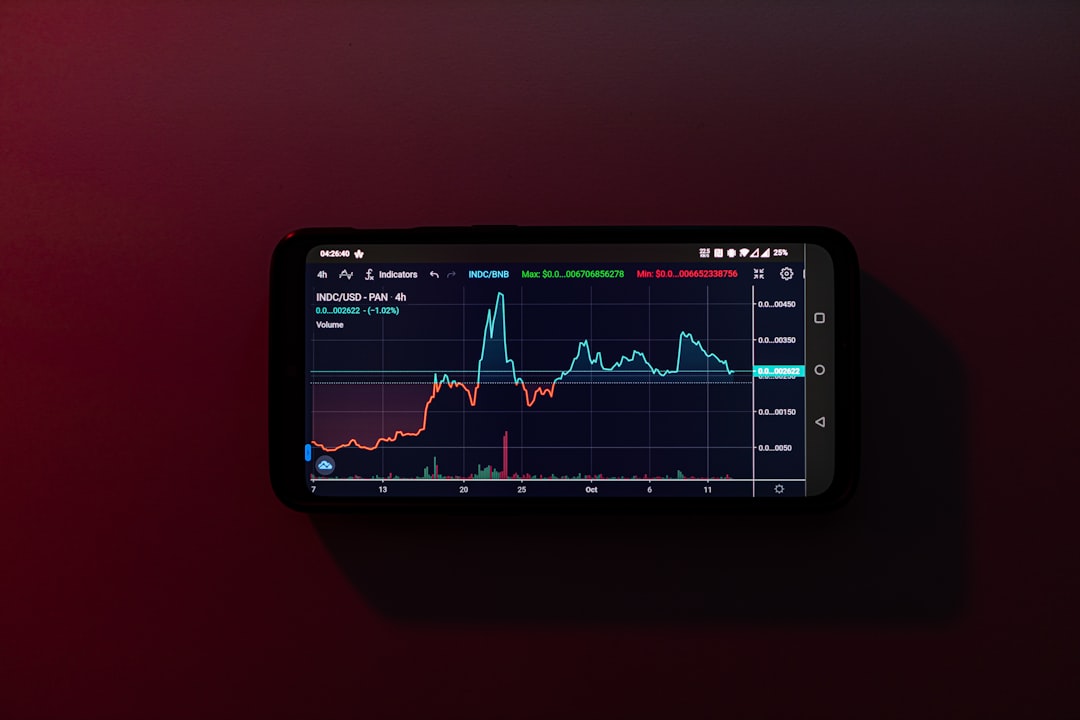
Next, it organizes your transactions. It figures out:
- Transfers between your own wallets
- Trades
- Income events
- Fees paid
Then comes the magic. The system calculates:
- Capital gains
- Capital losses
- Ordinary income
- Cost basis for each asset
All in seconds.
What “High Accuracy” Really Means
Accuracy is everything in tax reporting. Even small errors can cause problems.
High-quality crypto tax software focuses on:
1. Precise Cost Basis Tracking
Cost basis is what you originally paid for your crypto. When you sell it, your gain or loss depends on that number.
The software can apply different accounting methods like:
- FIFO (First In, First Out)
- LIFO (Last In, First Out)
- HIFO (Highest In, First Out)
- Specific identification
It applies your chosen method consistently. That reduces mistakes.
2. Real-Time Market Pricing
Crypto prices change fast. Very fast.
Accurate software uses historic price data from trusted sources. It calculates the fair market value at the exact time of your transaction.
No guessing. No rounding errors.
3. Smart Transaction Matching
Sending crypto from Exchange A to Wallet B should not count as a taxable sale.
Good software recognizes internal transfers. It links them together. That prevents false gains.
4. DeFi and NFT Handling
Modern tax tools can interpret:
- Liquidity pool deposits
- Yield farming rewards
- NFT minting costs
- NFT royalties
These are complex actions. Automation reduces human confusion.
The Power of Automation
Automation means less manual work. But it also means fewer errors.
Imagine doing this by hand:
- Exporting files from five exchanges
- Copying trades into a master spreadsheet
- Looking up price data for each trade
- Converting crypto values to local currency
- Calculating gains one by one
That can take days. Or weeks.
Automation does it in minutes.

And it keeps updating as new transactions happen. That means you can track your tax position all year. Not just during tax season.
Key Features to Look For
Not all crypto tax software is the same. Some are basic. Some are advanced.
Here are features that improve accuracy and automation:
Wide Exchange and Wallet Support
The more integrations, the better. A tool should support major exchanges and popular blockchains.
Automatic Error Detection
Good systems flag:
- Missing cost basis
- Duplicate transactions
- Unmatched transfers
This helps you fix problems early.
Audit Trail Reports
You should be able to see how each number was calculated. Transparency builds trust.
Tax Form Generation
The software should generate the correct tax forms for your country. Ready to file. Or ready to send to your accountant.
Security
Look for:
- Read-only API connections
- Data encryption
- Two-factor authentication
Your financial data must stay safe.
Benefits Beyond Tax Filing
Crypto tax software is not only for filing returns. It is also a powerful planning tool.
1. Real-Time Gain Tracking
You can see unrealized gains and losses anytime. This helps you decide when to sell.
2. Tax Loss Harvesting
The software can show which assets are at a loss. Selling them strategically may reduce your total tax bill.
3. Portfolio Insights
Many tools include charts and summaries. You can see:
- Total profit and loss
- Income from staking
- Most traded assets
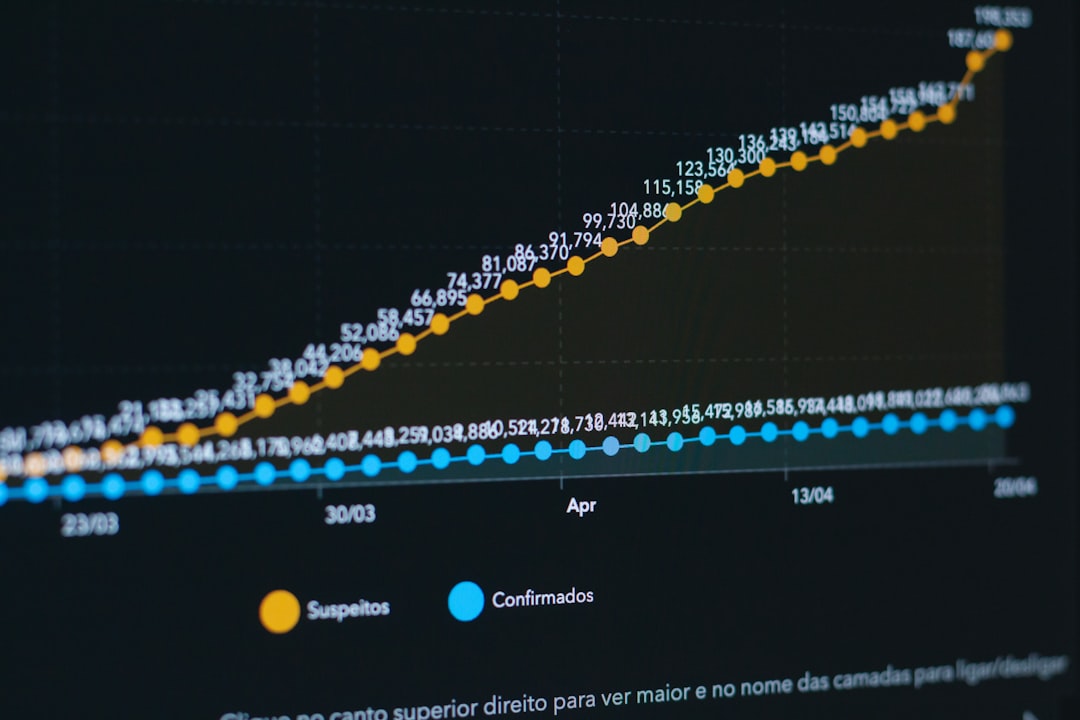
It feels like having a financial control center.
Who Should Use Crypto Tax Software?
You might think this is only for day traders. Not true.
It is helpful for:
- Long-term holders who occasionally sell
- Active traders
- DeFi users
- NFT collectors
- Crypto freelancers paid in tokens
- Small businesses accepting crypto
Even with just a few transactions, automation reduces stress.
Common Mistakes Without Automation
Let’s look at what often goes wrong without proper tools.
- Counting transfers as taxable sales
- Forgetting small trades
- Using incorrect historical prices
- Ignoring transaction fees in cost basis
- Missing staking or airdrop income
- Miscalculating gains across multiple accounts
These errors can lead to underreporting. Or overpaying.
Neither is good.
How to Get Started
Starting is usually simple.
- Create an account with a crypto tax software provider.
- Connect your exchanges using API keys.
- Add wallet addresses.
- Import any missing data using CSV files.
- Review flagged transactions.
- Generate your tax report.
The first setup might take an hour or two. After that, updates are mostly automatic.
Are These Tools Perfect?
No tool is perfect. Crypto is still evolving. New tokens and protocols appear all the time.
But leading tax software updates frequently. It improves blockchain parsing. It refines transaction labeling. It fixes bugs quickly.
You still need to review your report. Automation helps. Human oversight ensures final accuracy.
The Future of Crypto Tax Automation
The future looks even smarter.
We are seeing:
- AI-powered transaction classification
- Automatic detection of new DeFi protocols
- Real-time tax optimization suggestions
- Deeper integration with accounting systems
As governments refine crypto regulations, software will adapt. Automation will become more seamless.
Think of it as moving from a calculator to a full financial assistant.
Final Thoughts
Crypto taxes do not have to be overwhelming.
With accurate, automated software, you can:
- Save time
- Reduce errors
- Lower stress
- Improve compliance
- Make smarter financial decisions
The key is high accuracy. Clean data in. Smart calculations inside. Clear reports out.
Instead of drowning in spreadsheets, you get clarity. Instead of guessing numbers, you trust them.
And that means more time focusing on what really matters in crypto. Building. Investing. Exploring.
Let the software handle the math. You enjoy the journey.
