


Survey Software That Helps You Make Better Decisions With Real Feedback
Modern organizations cannot afford to make decisions based on assumptions, outdated data, or the loudest voice in the room. In a landscape defined by rapid market shifts, evolving customer expectations, and distributed teams, decision-makers require clear, structured, and reliable input. Survey software has emerged as a critical tool for collecting real feedback at scale—transforming opinions, experiences, and behaviors into actionable intelligence.
TLDR: Survey software enables organizations to collect structured, real-time feedback from customers, employees, and stakeholders. With advanced analytics, automation, and integration features, modern platforms turn raw responses into strategic insight. The right tool reduces bias, improves decision accuracy, and strengthens accountability. Investing in robust survey solutions leads to better-informed decisions grounded in measurable reality rather than guesswork.
Contents
- 1 Why Real Feedback Matters for Decision-Making
- 2 Core Features That Make Survey Software Effective
- 3 Types of Decisions Improved by Survey Software
- 4 How Survey Software Reduces Bias
- 5 Choosing the Right Survey Software
- 6 From Data Collection to Action
- 7 Common Pitfalls to Avoid
- 8 The Role of AI in Modern Survey Platforms
- 9 Building a Culture of Feedback
- 10 Conclusion
Why Real Feedback Matters for Decision-Making
Business success depends on clarity. Whether launching a new product, improving employee engagement, or refining customer experience, leaders must understand what people truly think and why. Anecdotal feedback and small focus groups often provide limited perspective. Survey software expands visibility by enabling organizations to:
- Reach large and diverse audiences quickly
- Standardize data collection processes
- Quantify subjective experiences
- Track trends over time
- Identify patterns across demographics or segments
Instead of relying on intuition alone, companies gain evidence-based insights. This shift from assumption to verification significantly reduces strategic risk.
Core Features That Make Survey Software Effective
Not all survey platforms are created equal. High-quality survey software goes beyond basic questionnaires and offers advanced functionality designed for accurate analysis and scalable deployment.
1. Advanced Question Design
Effective surveys use well-structured question formats to eliminate ambiguity. Look for features such as:
- Conditional logic and branching
- Likert scales and semantic differentials
- Ranking and matrix questions
- Open-text sentiment analysis
Conditional logic ensures respondents only see relevant questions, increasing completion rates and improving data quality.
2. Real-Time Analytics and Reporting
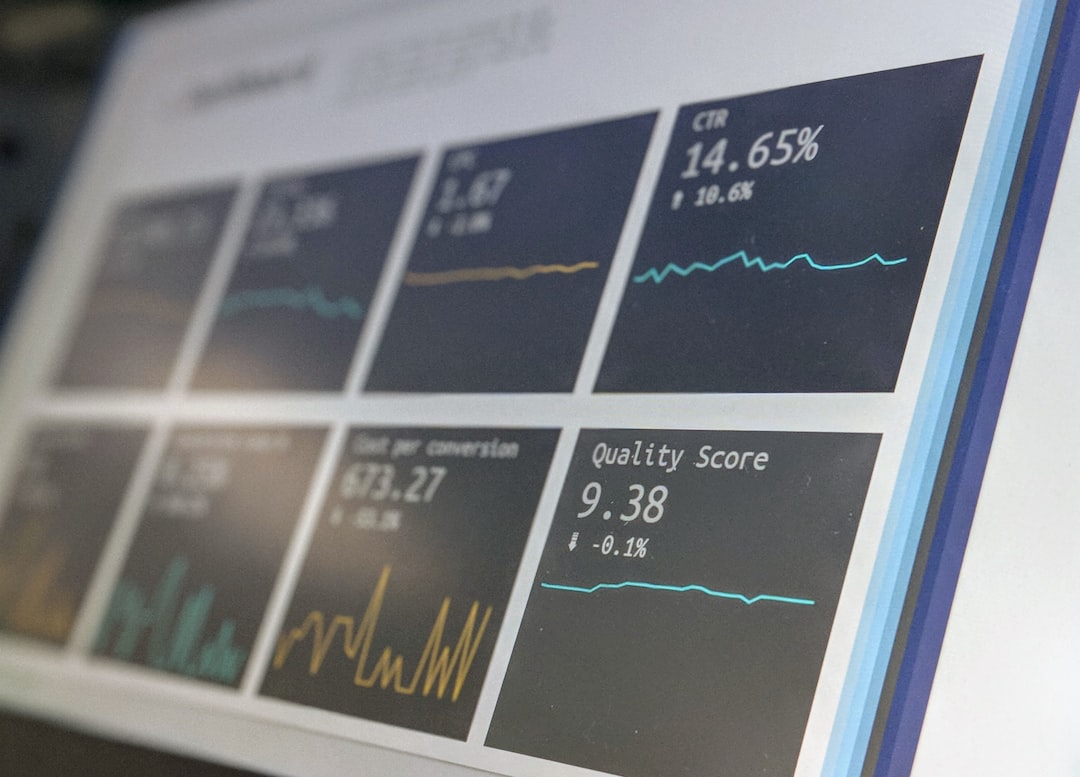
Modern platforms provide live dashboards, visual reports, and automated summaries. Decision-makers should be able to:
- View response breakdowns instantly
- Filter by segment or demographic
- Export data to BI or CRM systems
- Monitor trends across multiple time periods
The faster insights are available, the faster corrective action can be taken.
3. Integration Capabilities
To make feedback truly actionable, survey data must connect with operational systems. Leading platforms integrate with:
- Customer relationship management systems
- Human resource platforms
- Email marketing software
- Project management tools
Integration ensures feedback becomes embedded in workflows rather than sitting unused in static reports.
4. Data Security and Compliance
Organizations collecting feedback must meet legal and ethical standards. Strong encryption, compliance certifications, and customizable consent options are essential for maintaining trust and protecting sensitive data.
Types of Decisions Improved by Survey Software
Survey tools are remarkably versatile. Organizations across industries use them to guide critical decisions.
Customer Experience Optimization
Customer satisfaction surveys, net promoter score measurements, and post-purchase feedback forms reveal pain points in the buyer journey. When analyzed systematically, this data can lead to:
- Improved product features
- Reduced churn
- More targeted marketing
- Enhanced service quality
Employee Engagement and Retention
Internal surveys allow leadership to understand morale, workload concerns, and cultural gaps. Regular pulse surveys provide early warning indicators before turnover increases or productivity declines.

Product Development and Innovation
Organizations can test concepts, validate pricing strategies, and prioritize features before significant investment. This reduces development costs and aligns offerings with actual customer demand.
Strategic Planning
Stakeholder surveys help executives evaluate brand perception, competitive positioning, and market trends. By grounding planning sessions in measurable feedback, companies move from speculation to strategy.
How Survey Software Reduces Bias
Human decision-making is naturally influenced by cognitive bias. Survey software mitigates these biases in several ways:
- Anonymity: Encourages honest responses without fear of repercussions.
- Standardization: Ensures every participant receives identical questions.
- Sampling controls: Targets representative segments rather than convenient respondents.
- Automated analysis: Limits manual interpretation errors.
These controls help leaders base decisions on consistent, statistically significant data rather than selective feedback.
Choosing the Right Survey Software
Selecting a platform requires a careful evaluation of organizational needs. Important considerations include:
- Scale of distribution (hundreds vs. millions of respondents)
- Level of customization required
- Depth of analytics and reporting
- Budget and pricing model
- Ease of use for non-technical teams
Below is a comparison chart of several widely used survey platforms, highlighting their primary strengths. This overview supports high-level evaluation; specific requirements should drive final selection.
| Platform | Best For | Analytics Depth | Integration Options | Ease of Use |
|---|---|---|---|---|
| Qualtrics | Enterprise research and experience management | Advanced predictive analytics | Extensive enterprise integrations | Moderate learning curve |
| SurveyMonkey | Small to mid-sized organizations | Strong standard reporting | Wide range of app integrations | Very user-friendly |
| Typeform | Conversational and customer-facing surveys | Moderate analytics | Good marketing integrations | Highly intuitive |
| Google Forms | Basic internal surveys | Basic reporting | Google Workspace ecosystem | Extremely easy |
Large enterprises often prefer robust platforms with predictive modeling and AI-driven insights, while smaller teams may prioritize simplicity and cost-effectiveness.
From Data Collection to Action
Collecting feedback is only the starting point. Decision-making improves when organizations systematically translate responses into action. Effective survey processes include:
- Clear Objective Definition: Every survey should answer a specific question tied to a measurable outcome.
- Structured Analysis: Identify themes, trends, and outliers.
- Stakeholder Review: Share findings with relevant teams for interpretation.
- Action Planning: Assign owners and timelines for changes.
- Follow-Up Measurement: Reassess to determine impact.
This closed-loop process ensures feedback continuously informs strategy rather than remaining static.

Common Pitfalls to Avoid
While survey software is powerful, misuse can undermine results. Common mistakes include:
- Over-surveying audiences, leading to fatigue
- Asking leading or biased questions
- Ignoring open-ended responses
- Failing to communicate outcomes back to respondents
- Acting on insufficient sample sizes
High response rates and well-designed questionnaires are critical for maintaining credibility.
The Role of AI in Modern Survey Platforms
Artificial intelligence increasingly enhances survey effectiveness. Advanced tools now offer:
- Automated sentiment analysis of text responses
- Predictive churn or engagement modeling
- Natural language summaries
- Adaptive questioning based on previous answers
AI-driven analytics reduce manual effort and reveal patterns that may not be immediately visible through traditional reporting methods.
Building a Culture of Feedback
Technology alone does not guarantee better decisions. Organizations must cultivate a culture where feedback is valued and visibly acted upon. Transparent communication about survey outcomes builds trust and encourages continued participation.
A mature feedback environment demonstrates:
- Leadership openness to critique
- Consistent follow-through on insights
- Ethical data handling practices
- Ongoing refinement of survey methods
When employees and customers recognize that their input leads to measurable improvements, response quality and engagement increase significantly.
Conclusion
Survey software has evolved into an indispensable decision-support system. By gathering structured, real-world feedback and transforming it into analytical insight, these platforms enable leaders to act with confidence. In competitive markets where agility and responsiveness determine success, data-driven decisions offer a clear advantage.
Organizations that invest in robust survey tools and disciplined feedback processes are better positioned to anticipate risk, allocate resources wisely, and strengthen relationships with customers and employees. In an era defined by complexity and rapid change, real feedback is not optional—it is foundational to sound strategy and sustainable growth.
