


Essential GDPR Knowledge for Professionals Handling Customer Data
Handling customer data is a big responsibility. It is not just about good service. It is about trust. And in the European Union, it is also about the law. The General Data Protection Regulation, or GDPR, sets the rules for how personal data must be handled. If you work with customer information, you need to know the basics. The good news? GDPR is not as scary as it sounds. Once you understand the core ideas, it becomes much clearer.
TLDR: GDPR is a law that protects personal data of people in the EU. If you handle customer data, you must collect it legally, keep it safe, and use it only for clear purposes. People have strong rights over their data, including access and deletion. Good data habits are not just legal protection. They also build customer trust.
Contents
- 1 What Is GDPR and Why Should You Care?
- 2 What Counts as Personal Data?
- 3 The 7 Core Principles of GDPR
- 4 Lawful Bases for Processing Data
- 5 Customer Rights You Must Respect
- 6 Data Security: Keeping Information Safe
- 7 Privacy by Design and by Default
- 8 Documentation and Accountability
- 9 Working with Third Parties
- 10 International Data Transfers
- 11 Practical Tips for Everyday Compliance
- 12 The Business Advantage of GDPR
- 13 Final Thoughts
What Is GDPR and Why Should You Care?
GDPR is a data protection law that took effect in 2018. It applies to all organizations that handle personal data of people in the EU. It does not matter where your company is located. If you deal with EU residents, GDPR likely applies to you.
Why does this matter?
- Fines can be huge. Up to 20 million euros or 4% of global annual turnover.
- Reputation damage is real. Customers do not forgive data leaks easily.
- Trust is everything. Strong data practices build loyalty.
In short, GDPR is about respect. Respect for privacy. Respect for transparency. Respect for people.
What Counts as Personal Data?
Many people think personal data only means names and email addresses. Not true. GDPR defines personal data very broadly.
Personal data includes:
- Name and surname
- Email address
- Phone number
- Home address
- IP address
- Location data
- Customer ID numbers
- Photos and videos
If you can use the information to identify someone, directly or indirectly, it is personal data.
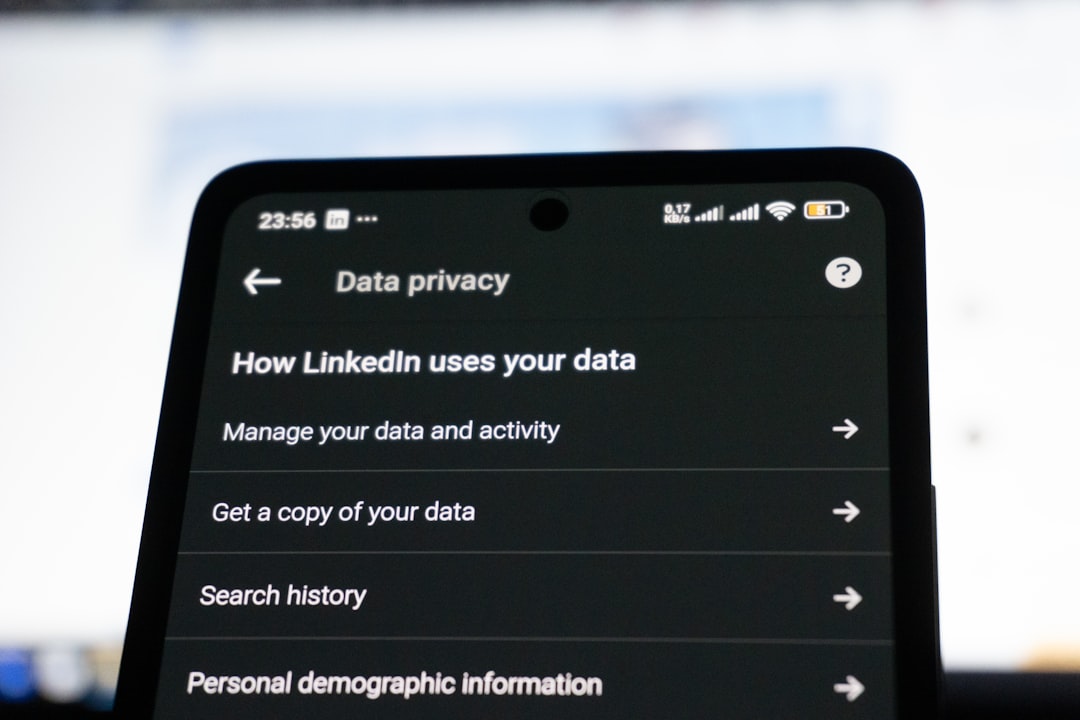
There is also a special category called sensitive data. This includes health information, religious beliefs, political opinions, and biometric data. These require even stronger protection.
The 7 Core Principles of GDPR
Think of GDPR as built on seven simple principles. These are the foundation. If you understand these, you understand most of the regulation.
- Lawfulness, fairness, and transparency
Be honest about what you do with data. Explain it clearly. - Purpose limitation
Collect data for a specific reason. Do not use it later for something unrelated. - Data minimization
Only collect what you truly need. No extra data “just in case.” - Accuracy
Keep data up to date. Correct errors quickly. - Storage limitation
Do not keep data forever. Delete it when it is no longer needed. - Integrity and confidentiality
Protect data with proper security measures. - Accountability
Be able to prove you follow all these principles.
Simple. Clear. Powerful.
Lawful Bases for Processing Data
You cannot collect or use personal data “just because.” GDPR requires a lawful basis.
There are six main lawful bases:
- Consent – The person clearly agreed.
- Contract – You need the data to fulfill a contract.
- Legal obligation – The law requires it.
- Vital interests – To protect someone’s life.
- Public task – For official public duties.
- Legitimate interests – Your business has a valid reason that does not override individual rights.
For many professionals, consent and contract are the most common.
Important tip: Consent must be clear and active. No pre-ticked boxes. No hidden terms. People must know what they are agreeing to.
Customer Rights You Must Respect
GDPR gives people strong control over their data. These are called data subject rights.

Here are the key rights:
- Right to be informed – People must know how their data is used.
- Right of access – They can ask for a copy of their data.
- Right to rectification – They can correct inaccurate data.
- Right to erasure – Also called the “right to be forgotten.”
- Right to restrict processing – They can limit how you use their data.
- Right to data portability – They can request their data in a usable format.
- Right to object – They can object to certain uses, like direct marketing.
If a customer sends a request, you usually have one month to respond. That means you need clear internal processes. No chaos. No confusion.
Data Security: Keeping Information Safe
Security is not only an IT issue. It is a business responsibility.
GDPR requires “appropriate technical and organizational measures.” That means:
- Strong passwords
- Multi-factor authentication
- Data encryption
- Access controls
- Staff training
- Regular security updates
You do not need military-grade systems. But you must show that you took reasonable steps.
If a data breach happens, you may need to report it to the relevant authority within 72 hours. If the risk to individuals is high, you may also need to inform affected customers.
This is why preparation is key. Have a breach response plan ready. Do not improvise under pressure.
Privacy by Design and by Default
This sounds technical. It is actually practical.
Privacy by Design means you think about data protection from the start. Not as an afterthought.
Privacy by Default means the strictest privacy settings should apply automatically. Users should not have to change settings to protect themselves.
For example:
- Collect as little data as possible in online forms.
- Make marketing emails opt-in, not automatic.
- Anonymize data when full identity is not needed.

Privacy should be built into your processes. Not glued on later.
Documentation and Accountability
GDPR loves documentation. If it is not documented, it did not happen.
You may need:
- A record of processing activities
- Privacy policies
- Data processing agreements with partners
- Records of consent
- Data protection impact assessments (for high-risk activities)
This may sound like paperwork. But it serves a purpose. It forces clarity. It helps identify risks early.
Working with Third Parties
If you use external providers, such as:
- Cloud storage services
- Email marketing platforms
- CRM systems
- Payment processors
They are called data processors. You remain responsible as the data controller.
You must:
- Choose providers carefully
- Sign clear data processing agreements
- Ensure they meet GDPR standards
Outsourcing does not mean outsourcing responsibility.
International Data Transfers
Sending data outside the EU is restricted. Some countries have approved protection levels. Others do not.
You may need:
- Standard contractual clauses
- Additional safeguards
- Transfer risk assessments
This is a complex area. When in doubt, consult a legal expert. Better safe than fined.
Practical Tips for Everyday Compliance
Let’s make this simple and actionable.
- Audit your data. Know what you collect and why.
- Clean up regularly. Delete old and unused data.
- Train your team. Human error causes many breaches.
- Update privacy notices. Keep them clear and honest.
- Limit access. Not everyone needs access to everything.
- Test your systems. Run security checks regularly.
Compliance is not a one-time project. It is an ongoing habit.
The Business Advantage of GDPR
Many professionals see GDPR as a burden. But it can be a competitive advantage.
When customers see that you:
- Respect their privacy
- Explain policies clearly
- Respond quickly to requests
- Protect their data seriously
They feel safe. And safe customers stay longer. They recommend you. They trust you.
Data protection is good ethics. It is also smart business.
Final Thoughts
GDPR is not about fear. It is about responsibility. If you handle customer data, you are a guardian of personal information. That role matters.
Focus on the basics. Be transparent. Collect less. Protect more. Document your actions. Respect customer rights.
You do not need to memorize every article of the regulation. You just need to build strong data habits into your daily work.
When privacy becomes part of your culture, compliance follows naturally. And your customers will thank you for it.
