


What Are Kubernetes Nodes? Explained for Beginners
Kubernetes can feel scary at first. There are pods. Clusters. Services. Controllers. And then there are nodes. If you are new to cloud computing, you might wonder what a node even is. Don’t worry. By the end of this guide, Kubernetes nodes will feel simple and clear.
TLDR: A Kubernetes node is a machine that runs your applications. It can be a physical computer or a virtual machine. Nodes work together inside a cluster to keep your apps running smoothly. Think of nodes as the workers that actually do the heavy lifting.
Let’s break it down step by step. And keep it fun.
Contents
- 1 What Is Kubernetes in One Minute?
- 2 So… What Exactly Is a Kubernetes Node?
- 3 Every Kubernetes Cluster Has Two Types of Nodes
- 4 What Lives Inside a Node?
- 5 How Nodes Work Together
- 6 What Is a Pod vs. a Node?
- 7 Why Do We Need Multiple Nodes?
- 8 What Happens When a Node Fails?
- 9 How Big Is a Node?
- 10 Nodes in the Cloud vs On-Premise
- 11 Common Cloud Providers for Kubernetes Nodes
- 12 Can You Add or Remove Nodes?
- 13 Are Nodes Secure?
- 14 Quick Recap in Simple Words
- 15 Final Thoughts
What Is Kubernetes in One Minute?
Before we talk about nodes, we need a tiny bit of context.
Kubernetes is a system that manages containerized applications. Containers are small packages that include your app and everything it needs to run. Kubernetes makes sure those containers:
- Start correctly
- Keep running
- Scale when traffic grows
- Restart if something breaks
To do all that, Kubernetes uses something called a cluster.
A cluster is a group of machines working together. And those machines? They are called nodes.
So… What Exactly Is a Kubernetes Node?
A Kubernetes node is a machine inside a Kubernetes cluster.
That’s it.
It can be:
- A physical computer in a data center
- A virtual machine in the cloud
- A server running on your laptop (for testing)
The node is where your containers actually run.
If Kubernetes is the boss, the nodes are the workers.
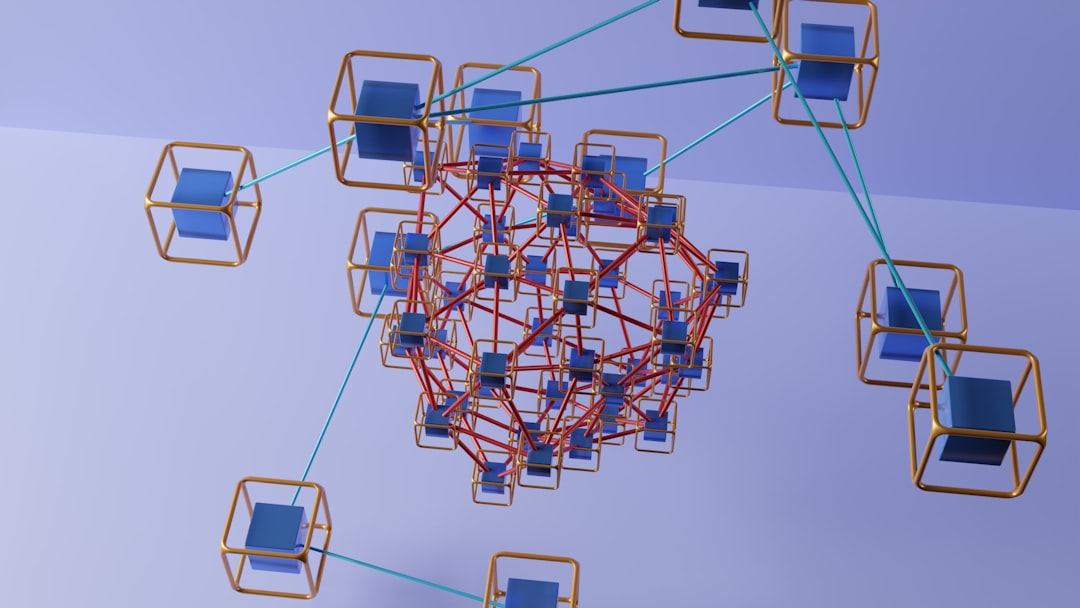
Every Kubernetes Cluster Has Two Types of Nodes
There are two main categories:
1. Control Plane Node
This is the brain.
It makes decisions. It schedules workloads. It keeps track of everything happening in the cluster.
It does not usually run your applications.
2. Worker Nodes
These are the muscle.
They run your containers. They handle real user traffic. They do the actual work.
Most clusters have:
- 1 or more control plane nodes
- Multiple worker nodes
More apps? Add more worker nodes. Simple.
What Lives Inside a Node?
A Kubernetes node is not just an empty machine. It has important components inside it.
Every worker node usually includes:
- Kubelet
- Container runtime
- Kube-proxy
Let’s make these simple.
Kubelet
Kubelet is the node’s manager. It talks to the control plane. It makes sure containers are running as expected.
If something crashes, kubelet restarts it.
Container Runtime
This is the engine that runs containers.
Examples include:
- containerd
- CRI-O
It pulls container images. It starts them. It stops them.
Kube-proxy
This handles networking.
It makes sure traffic reaches the right container.
Together, these parts turn a simple machine into a Kubernetes node.
How Nodes Work Together
Imagine you run an online store.
You deploy your app to Kubernetes. You ask for 3 copies of your app to run.
Kubernetes might:
- Run one copy on Node A
- Run one copy on Node B
- Run one copy on Node C
If Node B crashes?
Kubernetes creates a new copy on another healthy node.
Your users never notice.
That’s the power of nodes working together.

What Is a Pod vs. a Node?
Beginners mix this up all the time.
Here is the simple difference:
- Node = The machine
- Pod = A container (or group of containers) running on that machine
Think of it like this:
- The node is an apartment building.
- The pods are apartments inside.
One building. Many apartments.
One node. Many pods.
Why Do We Need Multiple Nodes?
Great question.
It comes down to three big reasons:
1. High Availability
If one node fails, others keep running.
No single point of failure.
2. Scalability
More users? Add more nodes.
Kubernetes spreads the workload automatically.
3. Better Resource Usage
Each node has CPU and memory.
Kubernetes schedules workloads where resources are available.
Nothing sits idle for long.
What Happens When a Node Fails?
Nodes can fail.
Hardware breaks. Cloud instances crash. Networks go down.
When this happens:
- The control plane notices the node is not responding.
- The node is marked as NotReady.
- Pods on that node are rescheduled elsewhere.
Your app keeps running.
This self-healing behavior is one of Kubernetes’ superpowers.
How Big Is a Node?
There is no single size.
A node can be:
- Small (2 CPU cores, 4GB RAM)
- Medium (8 CPU cores, 32GB RAM)
- Huge (64+ CPU cores, lots of memory)
The size depends on:
- Application needs
- Traffic load
- Budget
Bigger is not always better. It’s about balance.
Nodes in the Cloud vs On-Premise
You can run Kubernetes nodes:
- In the cloud (AWS, Azure, Google Cloud)
- In your own data center
- On hybrid setups
Cloud nodes are popular because:
- They are easy to scale
- You pay only for what you use
- Hardware management is handled for you
On-premise nodes give more control. But require more maintenance.

Common Cloud Providers for Kubernetes Nodes
If you’re using managed Kubernetes, the provider handles control plane setup for you.
Here is a simple comparison:
| Provider | Service Name | Node Management | Best For |
|---|---|---|---|
| AWS | EKS | Manual or Auto Scaling Groups | Enterprises and scalable apps |
| Google Cloud | GKE | Highly automated | Easy setup and automation lovers |
| Azure | AKS | Integrated with Azure tools | Microsoft ecosystems |
In all cases, nodes are still the machines running your workloads.
Can You Add or Remove Nodes?
Yes. And it is easy.
This process is called scaling the cluster.
You can:
- Add nodes when traffic increases
- Remove nodes when demand drops
Some systems even do this automatically. This is called cluster autoscaling.
More demand? More nodes.
Low demand? Fewer nodes.
Efficient and cost-effective.
Are Nodes Secure?
Security matters.
Each node should:
- Run minimal services
- Be regularly updated
- Limit access with strict permissions
If someone compromises a node, Kubernetes isolation helps limit damage. But security best practices are critical.
Quick Recap in Simple Words
Let’s boil everything down.
- A node is a machine in a Kubernetes cluster.
- Worker nodes run your apps.
- Control plane nodes manage the cluster.
- Nodes contain kubelet, container runtime, and networking components.
- Multiple nodes provide reliability and scalability.
If Kubernetes is a restaurant:
- The control plane is the manager.
- The nodes are the chefs.
- Your containers are the dishes being prepared.
No chefs? No food.
No nodes? No applications.
Final Thoughts
Kubernetes nodes are not mysterious.
They are simply the machines that do the work.
Understanding nodes helps you understand how Kubernetes runs applications at scale. It helps you design better systems. It helps you troubleshoot problems.
Start with this simple truth:
Nodes run your containers.
Everything else builds on top of that.
Once this clicks, the rest of Kubernetes becomes much easier to understand.
And that’s when things start to get really fun.
