

Complete Guide to the Best AI Devices in 2025
Artificial intelligence is no longer just software in the cloud. In 2025, AI lives inside the gadgets you carry, wear, drive, and even cook with. Devices are smarter, faster, and more personal than ever. They learn your habits. They talk back. They even predict what you need before you ask.
TLDR: AI devices in 2025 are smarter, more personal, and built into everyday life. The best ones include AI phones, wearables, smart home hubs, AI laptops, personal robots, and smart cars. They save time, boost creativity, and make daily tasks easier. Choosing the right one depends on your lifestyle, privacy needs, and budget.
Contents
- 1 What Makes a Device “AI” in 2025?
- 2 1. AI Smartphones
- 3 2. AI Laptops and Tablets
- 4 3. AI Wearables
- 5 4. AI Smart Home Hubs
- 6 5. Personal AI Robots
- 7 6. AI Cars
- 8 7. AI Glasses and AR Devices
- 9 8. AI Kitchen Appliances
- 10 How to Choose the Right AI Device
- 11 Privacy and Security in 2025
- 12 Are AI Devices Worth It?
- 13 Future Trends to Watch
- 14 Final Thoughts
What Makes a Device “AI” in 2025?
Not every smart device is truly intelligent. In 2025, the best AI devices share a few clear traits:
- On-device AI processing for speed and privacy.
- Personalization based on your habits.
- Natural interaction through voice or gestures.
- Predictive features that act before you ask.
Modern AI devices use special chips called NPUs (Neural Processing Units). These chips handle AI tasks quickly. They also protect your data by keeping it on the device.
Now let’s explore the best AI devices you can buy in 2025.
1. AI Smartphones
Your phone is now your smartest assistant. AI phones in 2025 do much more than run apps.

Top features:
- Live call translation in multiple languages.
- AI photo editing that fixes lighting and removes objects instantly.
- Personal AI agents that schedule meetings and answer emails.
- Battery optimization based on daily routines.
Some flagship phones even offer private AI models trained only on your data. That means better suggestions without sharing information online.
Best for: Everyone. A great AI phone improves daily life fast.
2. AI Laptops and Tablets
AI laptops are designed for creators, students, and remote workers. They come with powerful AI chips built in.
What makes them special?
- Real-time transcription during meetings.
- Automatic note summaries.
- AI video background cleanup.
- Smart coding assistants.
Graphic designers love AI image generators built right into creative apps. Writers enjoy intelligent editing suggestions. Developers benefit from real-time debugging help.
Battery life is also better. AI manages power use depending on the task.
Best for: Professionals and students who want productivity boosts.
3. AI Wearables
Wearables are not just fitness trackers anymore. They are health guardians.
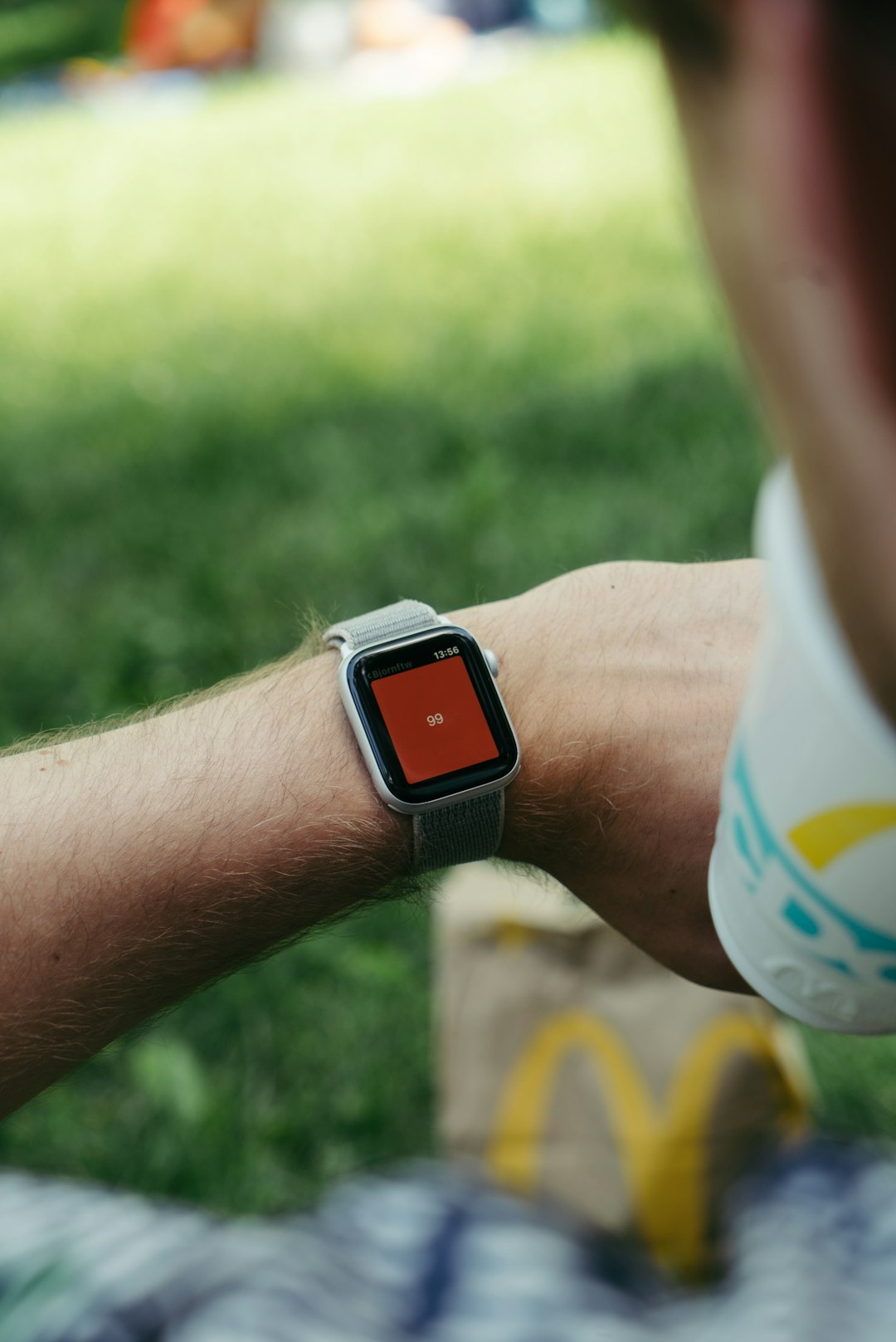
Modern AI wearables can:
- Predict health issues using pattern recognition.
- Monitor stress levels in real time.
- Track sleep cycles with precision.
- Offer personalized workout coaching.
Some advanced models even detect early signs of illness. They compare your daily health patterns with billions of data points.
AI earbuds are also popular in 2025. They provide:
- Live translation during conversations.
- Noise filtering that adjusts automatically.
- Context-aware voice assistants.
Best for: Health-conscious users and travelers.
4. AI Smart Home Hubs
The smart home finally feels… smart.
AI home hubs in 2025 do not just follow commands. They learn behavior patterns.
Imagine this:
- The lights dim when you start a movie.
- The thermostat adjusts before you feel cold.
- The fridge suggests recipes based on what’s inside.
Everything works together. Seamlessly.
Modern hubs process AI locally. Voice commands stay in your house. That boosts privacy.
Some systems even detect unusual sounds. For example:
- Breaking glass.
- Water leaks.
- Smoke alarms.
You receive instant alerts on your phone.
Best for: Families and smart home enthusiasts.
5. Personal AI Robots
Yes. Home robots are real now. And useful.

In 2025, personal robots can:
- Clean and organize.
- Serve as security monitors.
- Help children with homework.
- Assist elderly family members.
They use advanced vision systems. They map your home. They avoid obstacles easily.
Some even recognize faces and emotions. If someone looks sad, the robot may suggest calling a friend or playing music.
They are not perfect yet. But they improve through software updates.
Best for: Tech lovers and busy households.
6. AI Cars
Cars are now giant computers on wheels.
AI-driven vehicles in 2025 offer:
- Advanced driver assistance.
- Self-parking capabilities.
- Highway autopilot modes.
- Voice-controlled dashboards.
The AI learns your driving habits. It adjusts seat positions automatically. It suggests faster routes based on live traffic.
Electric vehicles use AI to optimize battery performance. They predict charging stops during long trips.
Fully autonomous cars still have limits in some countries. But hands-free driving on highways is common.
Best for: Commuters and road trip fans.
7. AI Glasses and AR Devices
AI glasses are one of the most exciting devices in 2025.
They look stylish. Not bulky.
What can they do?
- Display directions in real time.
- Translate signs instantly.
- Identify landmarks or buildings.
- Provide discreet notifications.
Some models connect directly to your AI phone. Others work independently.
Professionals use AR glasses for hands-free instructions during repairs or medical procedures.
Best for: Travelers, field workers, and early adopters.
8. AI Kitchen Appliances
Cooking has changed too.
AI ovens now recognize food via cameras. They adjust temperature and cooking time automatically.
Smart coffee machines remember how you like your drink. Strong on Mondays. Lighter on Sundays.
Refrigerators track expiration dates. They suggest grocery lists. Some even place orders for you.
Best for: Busy families and cooking enthusiasts.
How to Choose the Right AI Device
With so many options, choosing can feel overwhelming. Keep it simple.
Ask yourself:
- What problem do I want solved?
- How important is privacy?
- What is my budget?
- Does it work with my current devices?
If privacy matters most, choose devices with strong on-device AI processing.
If productivity is your goal, start with an AI laptop or phone.
If convenience matters, invest in a home hub.
Privacy and Security in 2025
AI devices collect data. That is how they learn.
But privacy has improved a lot.
Look for:
- Local AI processing.
- End-to-end encryption.
- Transparent data policies.
- Manual data controls.
Many devices now allow data deletion anytime. Some even offer offline-only modes.
Still, always read the privacy settings. It takes five minutes. It is worth it.
Are AI Devices Worth It?
For most people, yes.
AI devices save time. They reduce mental load. They automate boring tasks.
Imagine:
- No more searching for old photos.
- No more writing routine emails.
- No more adjusting thermostat settings.
AI handles it quietly.
However, there is a learning curve. Some features feel complex at first. Start small. Explore step by step.
Future Trends to Watch
AI devices will keep evolving. Here is what might come next:
- More emotional intelligence in AI assistants.
- Better offline capabilities.
- Greener, energy-efficient AI chips.
- Greater integration between devices.
The biggest shift? AI will feel invisible. It will blend into everyday objects.
Final Thoughts
2025 is the year AI devices became practical. Not just flashy gadgets. But real tools.
From phones and wearables to cars and robots, AI now supports daily life in simple ways. It helps you work faster. Drive safer. Cook smarter. Sleep better.
The best AI device depends on your lifestyle. Start with one that solves a real need. Test it. Learn it. Let it adapt to you.
Because in 2025, the smartest device is not the one with the most features. It is the one that quietly makes your life easier.
