

Inc. Best Workplaces 2025: Culture and Retention
Each year, Inc. magazine recognizes and celebrates companies across the United States that exemplify excellence in workplace culture through its Best Workplaces list. As we approach the release of the 2025 edition, the focus has sharpened even more on how company culture and employee retention intertwine to create sustainable success. Amid a rapidly evolving labor landscape, remote work trends, and shifting employee expectations, determining what makes an outstanding workplace is more critical—and complex—than ever.
Contents
- 1 TLDR
- 2 The New Metrics of a Great Workplace
- 3 Retention as a Culture Indicator
- 4 Spotlight on Top Performers
- 5 The Pandemic’s Long Tail—and Culture’s Central Role
- 6 How Companies are Measuring Culture in 2025
- 7 The Role of Leadership in Culture and Retention
- 8 Practical Steps for Aspiring Best Workplaces
- 9 The Future of Workplace Culture
TLDR
The Inc. Best Workplaces 2025 list reflects a deep dive into what makes a company exceptional, particularly in terms of culture and retention. Organizations that truly invest in their people culture—fostering authenticity, transparency, and adaptability—are seeing lower turnover and higher engagement. This year’s highlights include an emphasis on mission-driven leadership, flexibility in work arrangements, and thoughtful employee recognition. These trends suggest retention is not about perks, but about how people feel at work.
The New Metrics of a Great Workplace
Historically, metrics like salary and benefits dominated the conversation around what makes an employer attractive. However, by 2025, the emphasis has decisively shifted to intangible culture-based values such as:
- Purpose-driven leadership: Employees look to their organizations for alignment with personal and social values.
- Psychological safety: Teams thrive when people feel they can speak up without fear.
- Work-life harmony: Companies offering flexibility and respecting time boundaries fare better in employee retention.
- Opportunities for development: Continuous learning and career growth are non-negotiables for top talent.
Organizations that made the 2025 Inc. Best Workplaces list embody these qualities not as peripheral perks, but as core business strategies. They view culture as a system rather than slogans on a wall.
Retention as a Culture Indicator
Retention is not just a function of compensation, but a byproduct of an engaging and inclusive culture. In fact, according to data analyzed by Inc.‘s research partner Quantum Workplace, companies with high employee engagement boast 40% higher retention over a three-year period.
What’s more telling is why people stay. Employees interviewed in the annual survey frequently mentioned:
- Feeling valued and heard
- Trust in leadership decisions
- Work that aligns with personal values
- Clear career pathways and transparency in promotions
This alignment between individual purpose and organizational values forms a durable bond that reduces turnover, even in competitive labor markets.

Spotlight on Top Performers
Among the 2025 honorees, several companies stood out not just for their financial success, but for the strength of their internal cultures.
1. Lumera Health – Tech’s Human-Centric Surprise
Despite being in the highly competitive and often hustling space of health technology, Lumera Health operates with a slow-burn, human-first philosophy. Employees describe the culture as “compassionate and patient.” Leadership uses regular one-on-one emotional wellness checks and anonymous culture audits to adjust the internal environment in real time.
2. Forra Architecture – Remote Work, Tangible Unity
With over 60% of their staff working remotely across time zones, Forra has invested in cohesion by crafting digital norms, setting intentional “no-meeting zones,” and hosting monthly virtual hangouts. Creative cross-team pods are rotated every quarter to encourage new ideas and social bonding, regardless of location.
3. Kindwell Financial – Recognition as Strategy
Kindwell, a mid-size financial advisory firm, instituted an internally-built platform where team members recognize each other for contributions, everyday wins, or values-based behavior. These recognitions are reviewed during team meetings and sometimes converted into tangible rewards. This frequent peer-to-peer affirmation contributes to their 90% employee retention rate over four years.
The Pandemic’s Long Tail—and Culture’s Central Role
Although the acute phase of the COVID-19 pandemic is over, its impact on workplace expectations is permanent. More than ever, employees demand:
- Workplace flexibility – not just remote access, but flexible pacing and asynchronous collaboration
- Mental health awareness – organizations that destigmatize mental health are scoring high in loyalty
- Authenticity from the top down – trust is built when leadership shares openly and consistently
The organizations recognized in 2025 understand that culture is not about control; it’s about creating coherent systems of support, communication, and respect. Leaders who still cling to pre-pandemic assumptions about work are experiencing record attrition, while those who’ve adapted, listened, and iterated find themselves on Inc.’s most coveted list.
How Companies are Measuring Culture in 2025
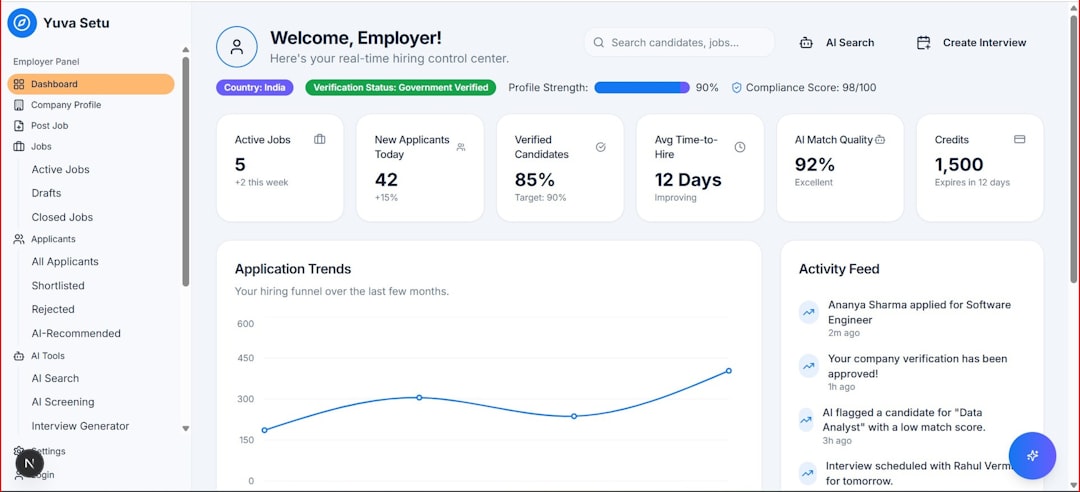
Effective culture can’t be improved unless it can be measured. The best workplaces in 2025 are applying data to what was previously a “soft” area of management.
They leverage tools such as:
- Pulse surveys to gauge employee sentiment in near real-time
- Attrition analytics that track the reasons behind disengagement
- AI-driven feedback analysis that detects emerging cultural trends
- Manager effectiveness dashboards to guide leadership behavior
This data helps HR teams move away from reactive interventions and toward proactive cultural development. For instance, one tech startup redesigned its leadership training program after identifying a correlation between unclear team roles and increased turnover. The result? A 33% drop in voluntary exit rates within two quarters.
The Role of Leadership in Culture and Retention
Contrary to some perceptions, culture isn’t the work of HR alone. The most admired workplaces in 2025 have empowered middle management and executives as cultural stewards. These leaders model vulnerability, drive equity initiatives, and set the tone for what’s acceptable and what isn’t within the workplace.
It’s also worth noting that leaders at these organizations are embracing two-way feedback loops. Rather than static town halls, forward-thinking companies host reverse mentoring sessions where senior staff are coached by newer employees. This nuanced relationship building reduces generational gaps and enhances mutual respect—key drivers for retention in companies with multi-generational workforces.
Practical Steps for Aspiring Best Workplaces
If an organization wants to make the Inc. Best Workplaces list in coming years, it needs to go beyond lip service to culture. Here are practical actions any business—regardless of industry or size—can implement:
- Conduct culture audits: Use both surveys and qualitative interviews to get a full picture.
- Invest in leadership coaching: Middle managers often define the daily employee experience.
- Develop recognition systems: Appreciation should occur regularly and authentically.
- Create flexible frameworks—not rigid policies: Empower teams to find what works for them.
- Celebrate stories, not just performance metrics: Showcase human moments and values in action.
The Future of Workplace Culture
Culture and retention are no longer “HR issues”—they are C-suite priorities. The 2025 edition of Inc. Best Workplaces makes it clear: companies that fail to adapt will lose not only talent but also their relevance. In contrast, those that place their people at the core of their strategy—not for optics, but from genuine belief—are thriving in both productivity and purpose.
As expectations grow and competitive advantages shift, organizational culture will remain the difference-maker. Whether a company has 10 employees or 10,000, culture is the engine, and retention is its sound check. The companies joining the Best Workplaces list in 2025 aren’t just adapting to change—they’re designing it.
