

5 Focus Projects 4 Pro Use Cases for Designers, Teams, and Freelancers
Modern creative work no longer happens in isolation. Designers collaborate across time zones, freelancers balance multiple clients, and teams are expected to move from concept to delivery faster than ever. In this environment, choosing the right project structure and professional workflow is not a luxury—it is a strategic advantage. Clear focus projects combined with well-defined professional use cases can transform how creative work is planned, executed, and delivered.
TL;DR: High-performing designers, teams, and freelancers benefit from structuring their work around five focus projects: branding systems, digital product design, marketing campaigns, content production, and client collaboration hubs. These project types support four professional use cases: strategic planning, collaborative production, asset management, and scalable delivery. By aligning project structure with workflow goals, creative professionals can increase efficiency, reduce miscommunication, and improve output quality. The key is integrating clarity, standardization, and adaptability into every project stage.
Contents
The 5 Focus Projects That Drive Creative Work
Not all creative projects are equal. However, most professional design workflows consistently revolve around five foundational project types. Understanding them provides structural clarity for solo freelancers and large teams alike.
1. Branding and Identity Systems
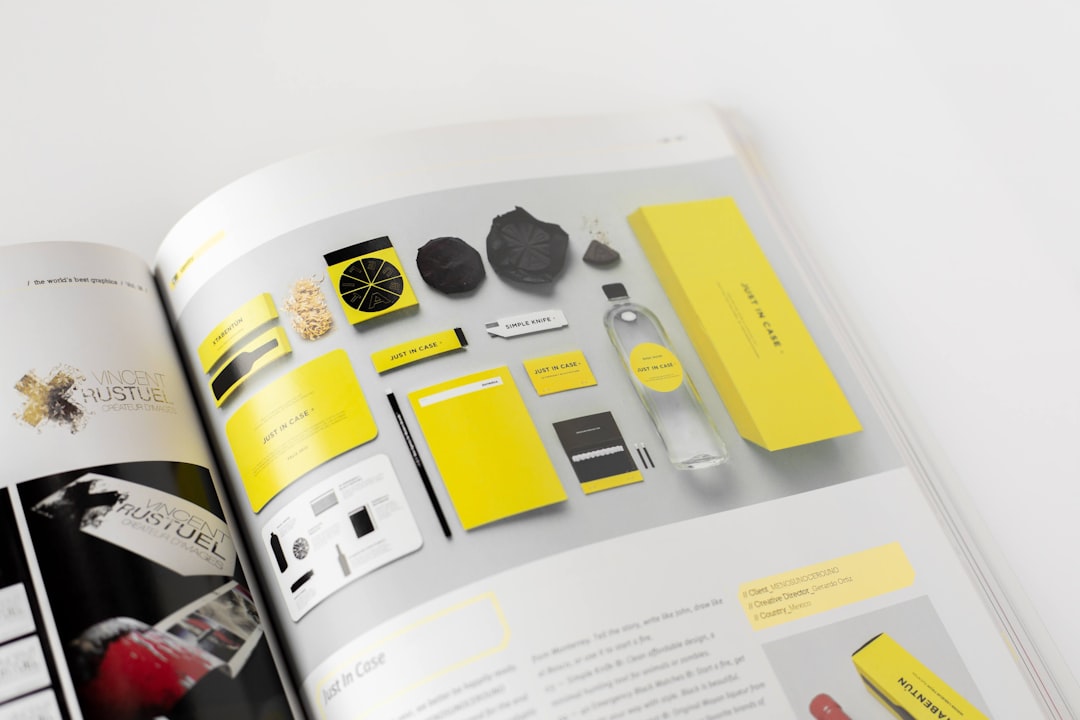
Branding is more than a logo. It includes typography systems, color palettes, visual language, tone of voice, and guidelines for consistent application. A branding project typically involves:
- Brand research and strategy development
- Logo and core identity design
- Visual system expansion
- Brand guidelines documentation
This is a foundational focus project because it shapes every future creative asset. A strong branding system creates alignment across teams and reduces long-term design inconsistencies.
2. Digital Product Design
For designers working on websites, apps, or SaaS platforms, digital product design becomes a recurring focus. This project type integrates UI, UX, usability testing, and iterative refinement.
Key deliverables often include:
- User journey maps
- Wireframes and interactive prototypes
- High-fidelity interface designs
- Developer-ready design systems
Because digital products evolve continuously, this focus project requires structured version control, collaborative documentation, and performance feedback loops.
3. Integrated Marketing Campaigns
Marketing campaigns combine creative storytelling with measurable objectives. Designers and creatives work alongside marketing strategists to produce cohesive assets across channels.
Typical campaign components include:
- Social media visual assets
- Landing pages
- Email marketing graphics
- Ad creative variations
The complexity lies in alignment. Assets must maintain brand consistency while addressing the nuances of each distribution channel.
4. Content Production Pipelines
Content production is increasingly central to business growth. This focus project revolves around structured, repeatable creation workflows.
Examples include:
- Blog graphics and editorial layouts
- Video thumbnails and motion graphics
- Slide decks and presentation templates
- Infographics and long-form visuals
Efficiency here depends on reusable components and standardized templates. Without them, content production becomes chaotic and inconsistent.
5. Client Collaboration Hubs
For freelancers and agencies, client collaboration itself becomes a defined project structure. Instead of managing files across disconnected tools, a centralized hub creates transparency.
This hub may include:
- Shared project dashboards
- Asset repositories
- Feedback and revision tracking
- Approval workflows
When properly implemented, this focus project eliminates confusion and dramatically shortens review cycles.

The 4 Professional Use Cases That Maximize Impact
While focus projects define structure, professional use cases define purpose. These four use cases represent how designers and teams operationalize their work for scalable success.
1. Strategic Planning and Roadmapping
Professional-level work begins with planning. This use case ensures that creative output is aligned with measurable objectives.
Effective strategic planning involves:
- Defining KPIs and success metrics
- Mapping deliverables to business goals
- Establishing timelines and milestones
- Allocating responsibilities clearly
Design without strategy risks becoming decorative rather than functional. Planning transforms aesthetics into impact.
2. Collaborative Production Workflows
Modern design requires cross-functional integration. Designers collaborate with developers, marketers, product managers, and stakeholders.
Professional collaboration requires:
- Version control systems
- Clear role assignments
- Structured feedback loops
- Transparent communication channels
This use case reduces redundant work and ensures alignment between design vision and execution reality.
3. Asset Management and Organization
As projects scale, asset sprawl becomes a critical risk. Professional asset management systems ensure that design files, typography, imagery, and template systems remain organized and accessible.
Strong asset management includes:
- Centralized storage systems
- Clear naming conventions
- Permission controls
- Archiving procedures
Without this discipline, teams lose time searching for files or recreating assets that already exist.
4. Scalable Delivery and Replicability
True professional maturity is measured by scalability. A process that works once must be repeatable.
Scalable delivery focuses on:
- Design systems and reusable components
- Template-based production
- Automated approvals where possible
- Consistent documentation standards
For freelancers, this translates into higher margins. For teams, it supports growth without proportional increases in overhead.
Image not found in postmetaComparison Chart: Focus Projects vs. Use Case Alignment
| Focus Project | Strategic Planning | Collaborative Production | Asset Management | Scalable Delivery |
|---|---|---|---|---|
| Branding Systems | High | Medium | High | High |
| Digital Product Design | High | High | Medium | High |
| Marketing Campaigns | High | High | Medium | Medium |
| Content Production | Medium | Medium | High | High |
| Client Collaboration Hubs | Medium | High | High | High |
How Designers Benefit
For individual designers, these focus projects and use cases create clarity in career positioning. Instead of offering “general design services,” professionals can define structured packages around branding systems, digital products, or content pipelines.
This leads to:
- Clearer service offerings
- Better client communication
- Higher perceived value
- Reduced scope creep
When paired with scalable delivery systems, designers increase profitability while maintaining quality.
How Teams Gain Competitive Edge
Creative teams benefit from reduced friction. By standardizing project types and use cases, they eliminate ambiguity.
Organizational gains include:
- Faster onboarding of new team members
- Reduced dependency on individual knowledge
- Improved cross-department coordination
- More predictable output quality
Teams that implement structured workflows move from reactive task execution to proactive creative leadership.
Why Freelancers Need Structured Systems Most
Freelancers often manage strategy, execution, communication, and billing alone. Without a clear framework, inefficiencies quickly erode profitability.
Adopting the five focus projects with four professional use cases ensures:
- Defined client onboarding processes
- Template-driven production methods
- Reduced revision chaos
- Professional-grade deliverables
This structured approach builds trust. Clients perceive organization as competence.
Final Considerations
The creative industry rewards originality, but it demands structure. The combination of five clearly defined focus projects and four professional use cases provides that structure.
By organizing work around branding systems, digital products, marketing campaigns, content pipelines, and collaboration hubs—and aligning each with strategic planning, collaborative production, asset management, and scalable delivery—designers, teams, and freelancers create resilient workflows.
Professional success is rarely accidental. It is built through systems that support creativity rather than restrict it. Those who implement structured frameworks consistently outperform those who rely solely on inspiration. In competitive markets where speed, clarity, and consistency determine opportunities, disciplined project design becomes a decisive advantage.
