

5 DALL·E Alternatives for AI Image Creation and Design
Artificial intelligence has transformed digital creativity, enabling designers, marketers, and businesses to generate high-quality visuals in minutes instead of hours. While DALL·E is widely recognized in this space, it is far from the only solution available. A growing number of advanced AI image generation platforms now compete in reliability, quality, customization, and commercial flexibility. Choosing the right tool requires understanding how each platform performs across creative control, realism, speed, pricing, and licensing.
TLDR: Several powerful alternatives to DALL·E offer impressive AI image generation capabilities for both professionals and casual creators. Midjourney, Stable Diffusion, Adobe Firefly, Leonardo AI, and Canva Magic Media each provide distinct advantages in quality, customization, commercial safety, or ease of use. The best choice depends on whether you prioritize artistic realism, brand-safe content, open-source control, or seamless design workflows. Evaluating features, costs, and flexibility will help determine the best fit for your needs.
Contents
Why Look Beyond DALL·E?
As the AI image generation market matures, creative professionals demand greater resolution, finer detail control, improved licensing clarity, and better workflow integration. Some users require open-source flexibility. Others need commercially safe content trained exclusively on licensed materials. Designers may also prefer tools integrated directly into established creative suites.
The five alternatives below represent some of the most credible and technically capable solutions available today.
1. Midjourney
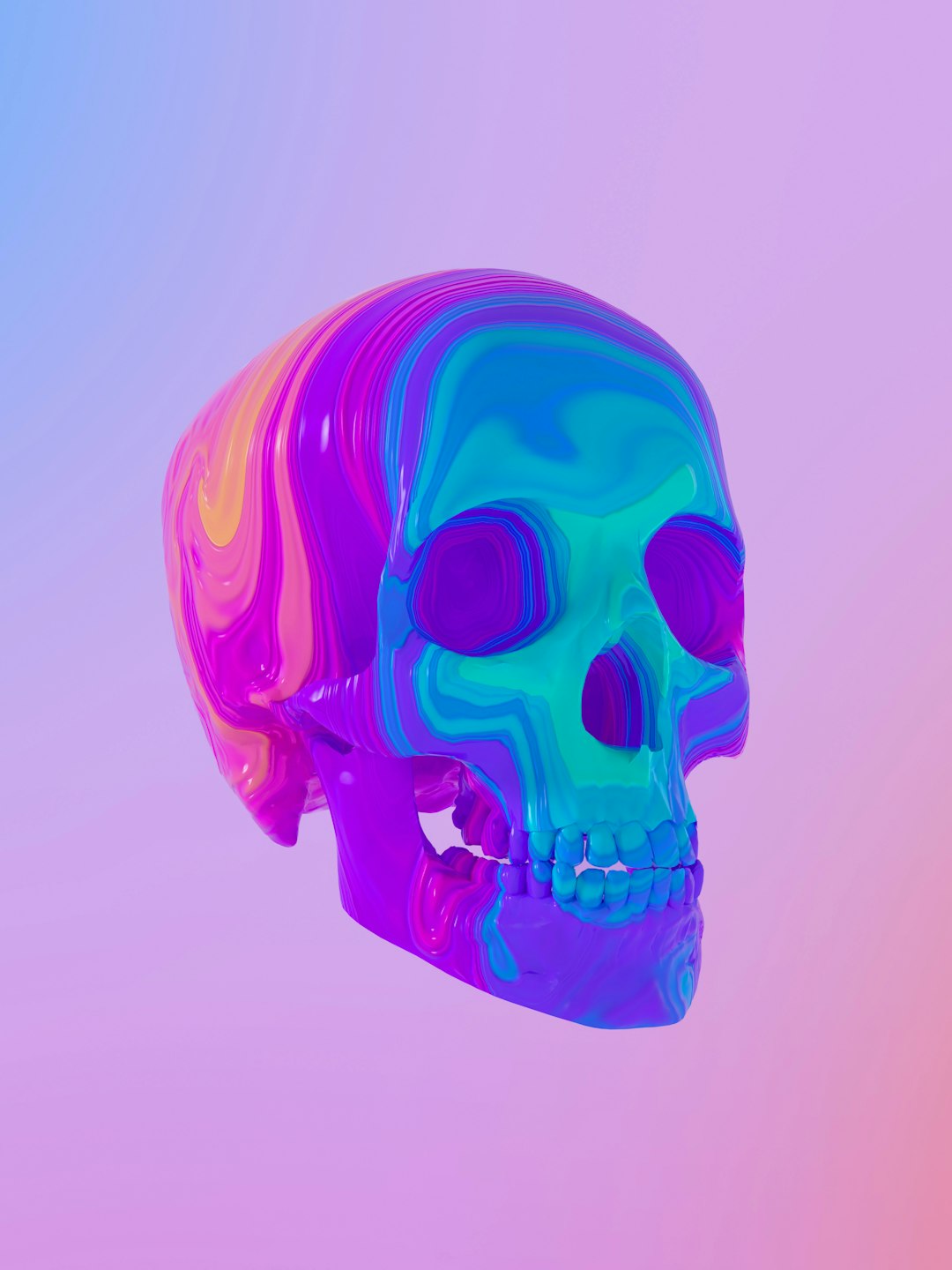
Midjourney has rapidly gained recognition for producing highly detailed, atmospheric, and artistically rich visuals. It is particularly favored by concept artists, illustrators, and creative directors seeking cinematic quality output.
Key Strengths:
- Exceptional artistic detail and stylization
- Strong prompt interpretation for complex compositions
- Active community feedback and prompt experimentation
- Consistently high-resolution output
Midjourney operates primarily through a Discord-based interface, which may initially feel unconventional. However, its community-centric approach encourages collaboration and learning. The platform continues to refine realism, anatomy accuracy, and text rendering.
Best suited for: Creative professionals prioritizing artistic aesthetics and imaginative visuals over strict commercial compliance requirements.
2. Stable Diffusion
Stable Diffusion distinguishes itself through its open-source architecture. Unlike many proprietary AI generators, it allows developers and creators to fine-tune models, run them locally, or customize training datasets.
Key Strengths:
- Open-source flexibility
- Ability to run locally on powerful hardware
- Fine-tuning with custom datasets
- Broad ecosystem of plugins and extensions
Because Stable Diffusion can operate independently of cloud servers, it provides greater privacy and cost control over time. However, it requires technical proficiency and suitable GPU hardware for optimal performance.
Best suited for: Developers, researchers, and advanced users seeking maximum customization and control.
3. Adobe Firefly
Adobe Firefly positions itself as a commercially safe AI image generator integrated into the Adobe Creative Cloud ecosystem. It is trained primarily on licensed content and Adobe Stock assets, making it attractive for enterprise and brand use.
Image not found in postmetaKey Strengths:
- Commercially safe, brand-friendly training model
- Seamless integration with Photoshop and Illustrator
- Generative fill and text-to-image capabilities
- Professional typography and layout support
For businesses concerned about intellectual property risk, Firefly offers a reassuring framework. Rather than replacing designers, it enhances workflow efficiency inside familiar professional tools.
Best suited for: Companies, agencies, and marketing teams prioritizing legal clarity and brand safety.
4. Leonardo AI
Leonardo AI is widely recognized for its emphasis on game assets, concept design, and production-ready visuals. It offers strong user interface controls and model customization without requiring deep technical expertise.
Key Strengths:
- Pre-trained models optimized for gaming and fantasy art
- Dataset training tools for consistent style output
- Canvas editing and upscaling tools
- Commercial licensing options
Leonardo AI balances accessibility with advanced capabilities, making it appealing for independent creators and game studios.
Best suited for: Game designers and digital artists needing consistent asset generation.
5. Canva Magic Media
Canva’s Magic Media tool brings AI image generation into one of the most widely used design platforms globally. Unlike specialized AI art engines, Canva focuses on usability and workflow efficiency.
Key Strengths:
- Beginner-friendly interface
- Integrated templates for social media and marketing
- Rapid text-to-image generation
- Collaboration features for teams
While it may not rival Midjourney in artistic complexity, Canva excels in practical content production for everyday business needs.
Best suited for: Entrepreneurs, small businesses, and marketers prioritizing speed and simplicity.
Comparison Chart
| Platform | Ease of Use | Customization | Commercial Safety | Best For | Pricing Model |
|---|---|---|---|---|---|
| Midjourney | Moderate | High artistic control | Moderate | Concept art, cinematic visuals | Subscription-based |
| Stable Diffusion | Advanced | Very high, open-source | Variable | Developers, researchers | Free, hosting costs apply |
| Adobe Firefly | Very high | Moderate | High | Enterprise and branding | Included in Creative Cloud |
| Leonardo AI | High | High | Moderate | Game asset design | Freemium + subscription |
| Canva Magic Media | Very high | Basic to moderate | High | Marketing and social media | Freemium + subscription |
Key Considerations When Choosing an AI Image Generator
Before selecting a platform, evaluate the following:
- Output Quality: Does the platform produce photorealistic, stylized, or illustration-based results aligned with your goals?
- Licensing and Copyright: Are outputs safe for commercial deployment?
- Integration: Does it connect with your existing workflow tools?
- Customization: Can you train or fine-tune models?
- Hardware Requirements: Do you need cloud services or local GPU capacity?
Enterprises typically prioritize compliance and workflow integration, while independent creators may value artistic expression and affordability.
The Future of AI Image Generation
AI image creation tools are evolving rapidly. Improvements in anatomy accuracy, typography rendering, multi-image consistency, and video generation are narrowing the gap between AI outputs and traditional digital art production.
We are also seeing increased emphasis on ethical training data, transparency in licensing, and responsible AI governance. As regulations develop, commercially trained datasets like Adobe Firefly’s model may become increasingly valuable.
At the same time, open-source innovation through platforms like Stable Diffusion ensures continuous experimentation and rapid technical advancement.
Conclusion
DALL·E remains a significant presence in the AI image generation space, but it is no longer the only credible option. Midjourney excels in artistic sophistication. Stable Diffusion offers unparalleled control. Adobe Firefly provides enterprise-grade commercial protection. Leonardo AI supports production-ready gaming assets, and Canva Magic Media simplifies design for everyday business use.
The right choice depends on your priorities: creative freedom, compliance, customization, integration, or ease of use. By carefully evaluating each platform’s capabilities and constraints, individuals and organizations can adopt AI image generation tools confidently and strategically.
In a field advancing this quickly, informed decision-making is essential. Selecting the appropriate AI alternative today can dramatically improve creative efficiency, reduce production costs, and unlock new visual possibilities for the future.
