


4 Top Crypto Tax Software Solutions That Simplify Reporting for Frequent Traders
For frequent crypto traders, tax season can feel more stressful than a market crash. With hundreds or even thousands of transactions spread across multiple wallets, exchanges, and decentralized platforms, accurately calculating gains and losses is a complex task. Manual spreadsheets simply cannot keep up with the speed and volume of modern trading. That is why specialized crypto tax software has become an essential tool for active investors who want to stay compliant without spending weeks reconciling transactions.
TLDR: Frequent crypto traders face complex tax reporting challenges due to high transaction volumes and activity across multiple platforms. Dedicated crypto tax software automates transaction imports, calculates gains, and generates tax-ready reports. Top solutions such as Koinly, CoinTracker, ZenLedger, and TokenTax simplify compliance while supporting DeFi, NFTs, and margin trading. Choosing the right platform depends on trading volume, exchange coverage, and desired integrations.
Below are four of the top crypto tax software solutions that simplify reporting for frequent traders, along with their features, strengths, and ideal user profiles.
Contents
1. Koinly
Koinly has built a strong reputation for being user-friendly while still powerful enough to handle complex trading histories. It supports hundreds of exchanges, wallets, and blockchain networks, making it particularly useful for traders who spread activity across multiple platforms.
Key Features:
- Automatic API import from major exchanges
- CSV file uploads for unsupported platforms
- Support for DeFi, NFTs, staking, and margin trades
- Capital gains and income tax reports
- Country-specific tax report generation
Koinly automatically reconciles transfers between wallets, reducing one of the most common sources of duplicate transaction errors. For high-frequency traders, this automation can save dozens of hours. The dashboard provides a clear overview of total gains, losses, and tax liability before generating downloadable reports.
Best For: Active traders who want a balance of automation, broad exchange support, and an intuitive interface.
2. CoinTracker
CoinTracker is particularly popular among U.S.-based traders, thanks to its seamless integration with major tax filing software. It focuses heavily on automation and real-time portfolio tracking, making it appealing to those who want ongoing tax visibility throughout the year.
Key Features:
- Real-time portfolio tracking
- Automatic transaction syncing
- Integration with TurboTax and H&R Block
- Audit trail and error detection
- Tax-loss harvesting insights
For frequent traders executing dozens of trades daily, CoinTracker’s real-time gain calculation is especially useful. Instead of waiting until tax season, users can monitor potential tax exposure as they trade. The software also identifies missing cost basis data and flags inconsistencies.
Its clean user interface is ideal for traders who may not have accounting backgrounds but still need detailed and reliable reporting.
Best For: Traders who want seamless integration with U.S. tax filing software and continuous portfolio oversight.
3. ZenLedger
ZenLedger is often favored by high-volume crypto traders and even institutional users. It emphasizes accuracy, compliance, and tax professional support, which can be critical when dealing with complex transaction histories.

Key Features:
- Support for thousands of cryptocurrencies
- DeFi and NFT transaction tracking
- Detailed audit reports
- Tax professional assistance options
- Robust error-checking tools
Frequent traders often encounter issues with liquidity pool transactions, token swaps, and cross-chain activity. ZenLedger’s reconciliation system is designed to categorize these transactions correctly, minimizing inaccuracies.
Additionally, it offers premium tiers that include one-on-one support, which can be helpful when transaction counts climb into the thousands. For traders concerned about audits, ZenLedger’s detailed reporting can provide added peace of mind.
Best For: High-volume or advanced traders who want deep reporting capabilities and optional professional support.
4. TokenTax
TokenTax stands out for combining software automation with hands-on tax expertise. While it offers automated transaction imports, it is particularly attractive to traders seeking white-glove service.
Key Features:
- Full-service tax preparation options
- Support for margin trading and derivatives
- DeFi and NFT tax reporting
- IRS audit assistance
- Integration with accounting professionals
Frequent traders dealing with futures, leveraged trades, or complex DeFi yield strategies may find TokenTax particularly helpful. The company provides direct access to tax experts who can review filings and ensure accuracy.
Unlike purely DIY platforms, TokenTax bridges the gap between automation and professional tax advisory, which can be valuable for traders with six- or seven-figure portfolios.
Best For: High-net-worth traders or those with exceptionally complex trading strategies.
Comparison Chart
| Feature | Koinly | CoinTracker | ZenLedger | TokenTax |
|---|---|---|---|---|
| Exchange Integrations | Extensive | Extensive | Very Extensive | Extensive |
| DeFi Support | Yes | Yes | Yes | Yes |
| NFT Support | Yes | Limited Advanced Features | Yes | Yes |
| Tax Filing Integration | Downloadable Reports | TurboTax, H&R Block | Downloadable Reports | CPA Integration |
| Professional Support | Limited | Limited | Available | Extensive |
| Best For | Balanced Automation | Real-Time Tracking | High Volume Accuracy | Full Service Traders |
Why Frequent Traders Need Specialized Software
Frequent crypto traders face challenges that casual investors do not. These include:
- High transaction volume creating data overload
- Multiple cost basis calculations across wallets
- Cross-chain transfers that must be reconciled properly
- Income recognition from staking, mining, and yield farming
- Constant regulatory updates in various jurisdictions
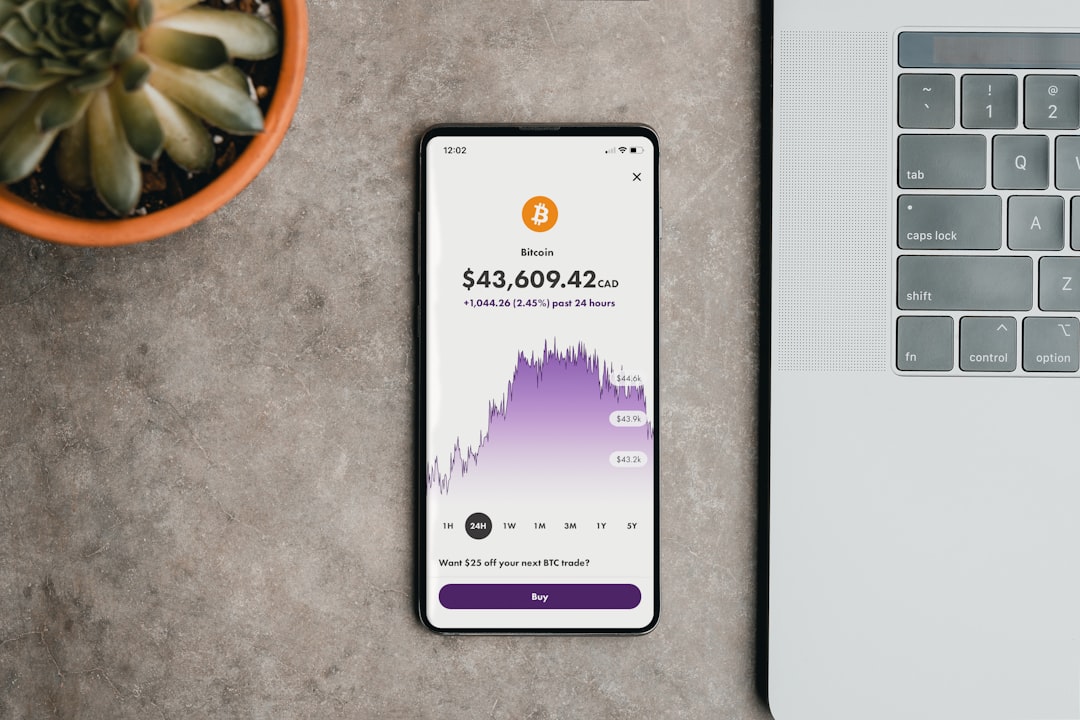
Without specialized software, tracking each taxable event becomes nearly impossible. Every trade, swap, or token conversion may trigger capital gains calculations. For margin traders, additional layers of complexity arise.
Modern crypto tax solutions automate these calculations using accepted accounting methods such as FIFO, LIFO, or specific identification. They also generate country-specific tax forms, significantly reducing compliance risk.
How to Choose the Right Platform
When selecting crypto tax software, frequent traders should consider the following factors:
- Transaction Volume: Ensure the pricing plan accommodates high transaction counts.
- Exchange Coverage: Verify support for all trading platforms used.
- DeFi and NFT Support: Critical for traders active beyond centralized exchanges.
- Integration Needs: Consider compatibility with existing tax filing tools.
- Customer Support: Evaluate availability of live assistance or professional review.
No single tool is perfect for every trader. Those prioritizing affordability and automation may lean toward Koinly or CoinTracker, while those managing complex portfolios might prefer ZenLedger or TokenTax.
FAQ
1. Why can frequent crypto trading create large tax bills?
Frequent trading creates multiple taxable events, each potentially generating capital gains. Even small profits across hundreds of transactions can accumulate into significant tax liability.
2. Can crypto tax software handle DeFi and NFT transactions?
Most leading platforms now support DeFi protocols and NFT trades. However, the accuracy may vary depending on the complexity of transactions, so reviewing categorized data is still recommended.
3. Is crypto tax software suitable for margin and futures traders?
Yes, but traders should verify that the platform explicitly supports margin, derivatives, and leveraged positions. TokenTax and ZenLedger are particularly strong in this area.
4. Do these tools work internationally?
Many crypto tax solutions generate reports tailored to multiple countries. Still, users should confirm that their local tax jurisdiction is supported.
5. Can software eliminate the need for a tax professional?
For simpler trading histories, software may be sufficient. However, high-volume or high-value traders often benefit from professional review, especially if facing an audit.
6. How early should traders start using crypto tax software?
Ideally, traders should connect their accounts at the beginning of the tax year. Ongoing tracking helps avoid surprises and allows for proactive tax planning.
As crypto markets continue evolving, regulatory scrutiny and reporting requirements are becoming stricter. For frequent traders, relying on spreadsheets is no longer realistic. With the right crypto tax software, traders can automate calculations, reduce errors, and approach tax season with far less stress. Whether prioritizing automation, integration, or professional support, the solutions above offer streamlined paths toward accurate and compliant crypto tax reporting.
